

















-
Author:
-
Date added:August 19 2026
-
Read time:5 min
Team

Joanna Cave
CEO, Carers Australia
Health information for Aboriginal and Torres Strait Islander women.
As CEO of Carers Australia, Joanna Cave regularly hears from women juggling work, children and ageing parents – often while putting their own needs last. The pressure can increase further when a family member is suddenly diagnosed with an illness or disability.
While caring can be deeply rewarding, Joanna says many carers don’t realise how close they are to burnout until they’re already exhausted. Here she shares why caring for yourself too needs to be non-negotiable.
Almost 3 million people in Australia provide unpaid care to a family member or friend, and around two-thirds of them are women. Women are also more likely to take breaks from paid employment to provide care, which can add extra financial stress and pressure.
A lot of carers will tell you that caring provides many rewards. But carer burnout is also something we all need to be aware of. It’s not well understood, but it’s very common among unpaid carers.
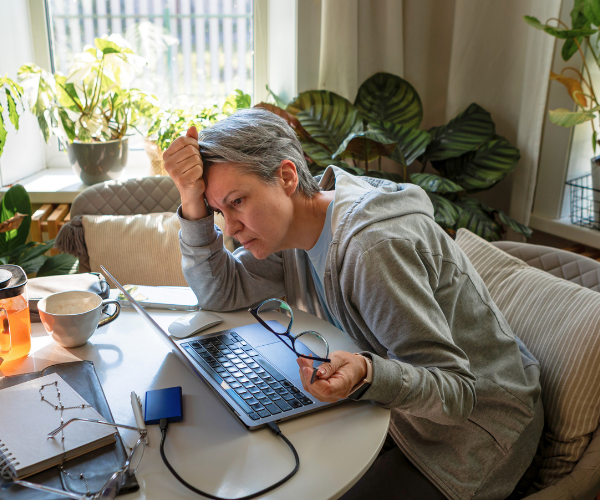
Carer burnout refers to the physical, emotional and mental health challenges of caring that can leave you out of steam and out of capacity. Usually this comes from not having enough support, rest or breaks. Left unaddressed, burnout can worsen over time.
It can be very difficult for people to care for those they love and find time for themselves to avoid burnout. The good news is that small acts of support, staying connected to your community and asking for help early can go a long way.
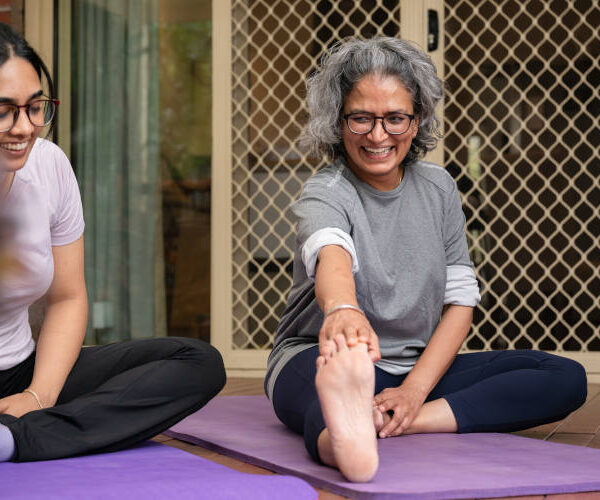
Looking after yourself isn’t separate from caring, it’s an important part of being able to continue caring well.
Many carers find it difficult to accept help, but learning to do so is important. Accepting support can benefit you, and it can also be meaningful for the people around you who want to help.
If people offer help, try saying ‘yes’. We encourage carers to ask for help early rather than waiting until they reach a crisis point.
Becoming a carer isn’t usually something you anticipate or prepare for.
It’s a very common story that a partner, parent or child becomes ill or injured and overnight you become their carer. In that moment you might not think you need any help or support in that role, but it is important for the transition to be sustainable.
Try not to wait until you’re already experiencing burnout before seeking support. Navigating health, disability, aged care and other systems for the person you care for becomes much harder if you’re exhausted and overwhelmed.
Also, we are often able to provide better care when we are rested and have made time for small but important things that support our own wellbeing.
We encourage carers to find out what they might need before they need it. Even if you don’t require support right away, it can help to understand what resources are available and where to go if circumstances change.
There are a range of services available that can help you to navigate caring responsibilities and manage different aspects of the caring role. Taking time to learn about what resources exist can make it easier to access support if caring becomes more challenging in the future.
In our last Carer Wellbeing Survey of almost 11,000 carers, 43% said they felt lonely in their role – almost half of all carers. That level of loneliness and isolation in the community is significant.
When I reflect on some of the stories I have heard from carers, the experiences of one young mother, managing a son with autism and ADHD, and being his advocate, protector and appointment administrator, springs to mind.
Caring led to her own struggles with anxiety and depression and made it hard for her to find and keep full-time work.
She said the constant fear and worry for her son, whether he would be understood and treated with compassion, left its mark on her. Over time, carrying that emotional weight became exhausting.
Now she is in a better place, has full-time work and her son is in a good classroom and better at advocating for himself. But these pressures are not easy for carers to walk away from and they leave a mark.
If you know someone in a caring role, try to stay connected. Checking in regularly and reminding carers that they are seen and valued can help reduce the loneliness and isolation that many experience. If you can, offer practical support as well.
Support doesn’t have to be grand gestures or weeks away from responsibilities. The most meaningful help is usually practical and immediate. Offer to run an errand, bring over a meal you’ve cooked, shout them a coffee or drive them to an appointment.
Pay attention and ask how they are going. Many carers become so focused on the needs of the person they are supporting that their own wellbeing can fade into the background.
Small acts of support can make a meaningful difference. Community, connection and other people noticing what carers are carrying can make a big impact.
Everyone will need a carer, be a carer or know a carer at some point in their lifetime. If governments had to fund that care directly, the cost would be enormous.
Acknowledging how significant unpaid care work is, and ensuring carers are recognised across health, education and community systems, is an important part of supporting their wellbeing.
This week is all about Women’s Health Week and taking small steps toward your health – whatever that looks like for you. And next month we’ll be running National Carers Week – shining a light on the vital, but often unrecognised, role carers play in our communities.
By recognising carers, staying connected and offering support early, we can all help ensure they feel seen, valued and supported in the important work they do.