Search Jean Hailes
-

Women’s Health Week in the outback – taking to the skies with the Royal Flying Doctor Service

  • Related Topics
  • Author:
  • Date added:
    September 29 2026
  • Read time:
    4 min

More than 4,000 people registered for this year’s Jean Hailes Women’s Health Week, hosted earlier this month. Our very own Renea Camilleri visited some of the country’s most remote communities to see the week in action. She shares the highlights from her travels.

Women’s Health Week is the busiest week in the Jean Hailes calendar. Every year, thousands of people across Australia support the week by hosting events, shining a light on women’s health and starting important conversations.

This year, I had the privilege of joining the Royal Flying Doctor Service (RFDS) in outback South Australia. We flew to some of the most remote parts of the country to share women’s health information, provide health care and hear from women about the struggles they face.

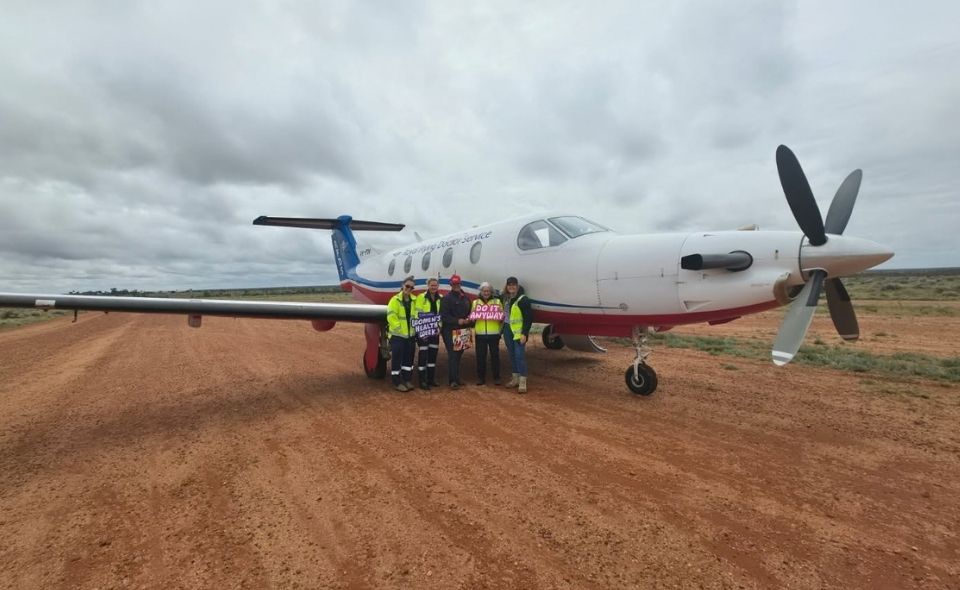
Renea with the RFDS Port Augusta-based crew standing in front of an RFDS plane at Commonwealth Hill
Renea with the RFDS Port Augusta-based crew at Commonwealth Hill

Over our 2-day journey, we travelled more than 2,000 km by air, making 8 stops from Commonwealth Hill near the Nullarbor to Parachilna near the Flinders Ranges.

Nine hours from the nearest health service

We met women, and some men, living on cattle and sheep stations hundreds of kilometres from the nearest town or health service. For many, reliable phone reception is limited and isolation is simply a part of everyday life. Women living in these remote communities often need to travel between 3 and 9 hours to access their nearest health service. They rely on services like the RFDS for health care closer to home.

Every woman deserves access to trusted health information and support, regardless of her postcode.”
Renea Camilleri, Jean Hailes for Women’s Health

At one stop, we met a breast cancer survivor who had detected a lump through self-screening and had successfully undergone treatment. Her message was simple yet powerful: if something doesn’t feel right, get it checked.

She spoke passionately about the importance of early detection, listening to your body and ensuring women feel heard by healthcare providers. I learnt that just a week earlier, a doctor in Adelaide had recommended the Jean Hailes perimenopause and menopause symptom checklist to her to help her better understand her symptoms after cancer treatment. It was heart-warming to see our resources reaching women in rural Australia.

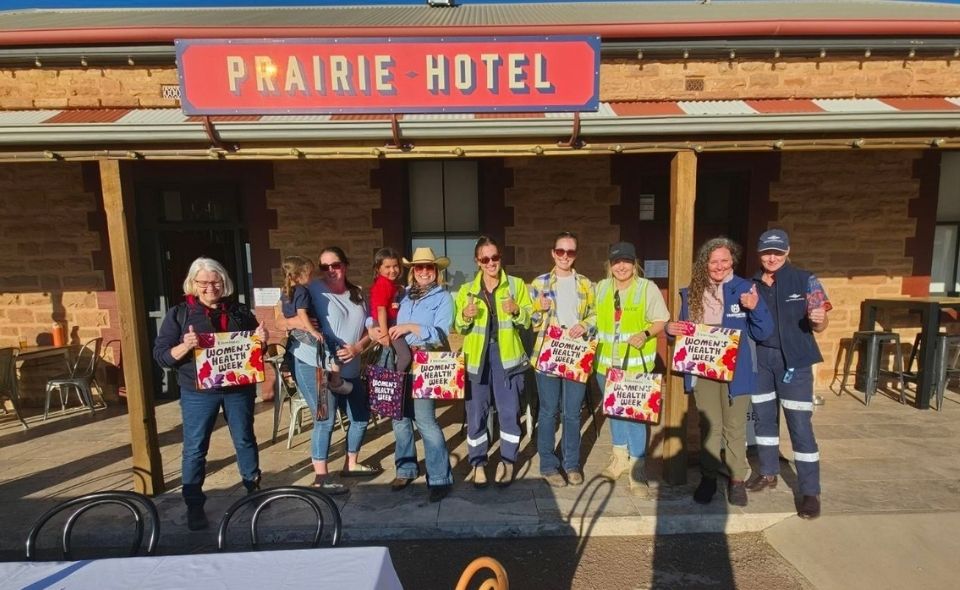
Renea with a group of people outside the Prairie Hotel in Parachilna, South Australia
Outside the Prairie Hotel in Parachilna, South Australia

At another stop, a woman expecting her first child described the planning required to prepare for birth while living hours from the nearest town. We met women managing conditions like thyroid disorders, heavy periods, low iron and perimenopause.

Mental health in outback Australia

Mental health emerged as a particularly important issue. One station wife spoke openly about her experience with depression and how support from an RFDS mental health nurse had made a significant difference. Others described the emotional impact of raising children far from family and support networks.

Listening to women’s stories was a humbling reminder that where you live can have a significant impact on how and when you access health care. Every woman deserves access to trusted health information and support, regardless of her postcode.

‘Health conversations happen wherever women feel comfortable’

The RFDS team and I stayed overnight in William Creek and gathered for dinner at the iconic William Creek Hotel. The pub was filled with travellers making their way along the Oodnadatta Track, alongside locals and station workers.

William Creek Hotel Women's Health Week
Meeting the locals at William Creek Hotel

Over dinner, I spoke to women passing through the region about women’s health, health care access and the importance of reliable information and support. These informal discussions reinforced that valuable health conversations don’t just happen in clinics. They happen wherever women feel comfortable sharing their experiences.

What the RFDS does for women in remote areas

I was inspired to see firsthand the extraordinary work the RFDS does to support women living in these remote areas. Their teams don’t just provide clinical care. They build trusted relationships, check in on women’s wellbeing and advocate for better access to services. They also help women and their families stay on top of their health no matter how far they are from major centres.

Being able to connect with women in some of Australia’s most remote regions, listen to their stories and share health information was a privilege and one of the highlights of my week. I left feeling incredibly grateful, inspired and more committed than ever to ensuring all women have the knowledge, confidence and support they need to prioritise their health.

A special thanks to the RFDS Port Augusta-based crew Jacqui, Dr Jenny, Josie and Alex for taking me along for the ride. Women’s Health Week may be over for another year, but the conversations, connections and lessons from the week will stay with me for a long time.

Women’s health support, tools and information if you live in rural or remote Australia

About Renea

Community Engagement Manager

Related Articles