In almost 3 decades working in sleep, one thing I’ve learned is that everyone’s sleep is different. A good night’s sleep isn’t just about how long you sleep. It is also about consistency, quality and timing.
It’s important to pay attention to what does and doesn’t work for your unique body, mind and lifestyle.
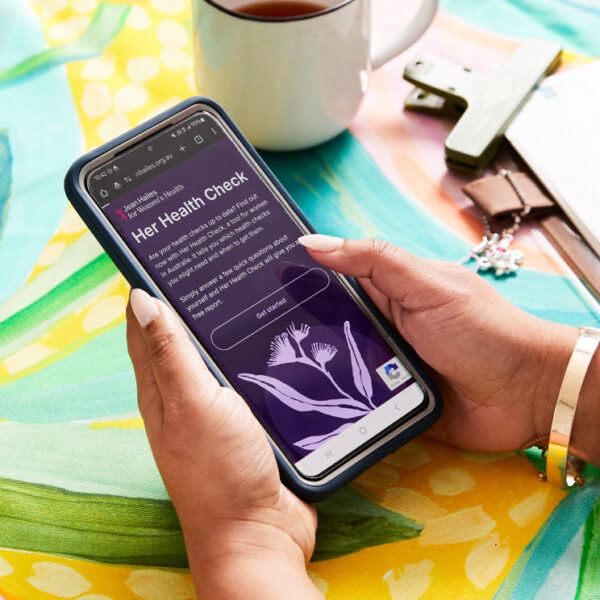
A lot of people feel guilt and shame for using their devices in the evening. People often tell me, “I’m so bad, I’m always on my phone before bed.” But I always tell them not to be so harsh on themselves.
Using screens before bed isn’t as clear cut as we might think. It can depend what you are doing on your device, how stimulating it is and what else is going on for you.
When work and family fill your day, those quiet minutes spent scrolling or messaging friends can feel like a well-earned reward. Better sleep doesn’t have to mean striving for perfection and cutting out everything you enjoy. And the same rules don’t apply for everyone.
Find what works for you
Some people struggle with their sleep when they are trying to fit their own schedule in with their partner’s or someone else’s natural rhythms.
Influencers and the media often promote the idea that there is only one right way to get healthy sleep – that everyone needs to get to bed by a certain time and wake up early to be productive.
You might even hear a sports star or celebrity say they get up at 5 am and never use their phone after 9 pm. But it’s important to understand what works for them might not work for you.
There are no specific, international guidelines for technology use at night-time and no one-size-fits all approach that works for everyone.
How light exposure impacts sleep
There’s mixed evidence about light exposure from screens and sleep. While the blue light that gets emitted from screens might have a negative impact, there is also more going on, and not a lot of research that has explored this complexity.
Whether or not your bedroom has overhead lights is also important to consider. We need to think about the whole environment when it comes to lighting. Use low-level warm light before bed rather than big bright light from above if possible.
Small changes can improve your sleep
Screen time can disrupt sleep, especially if it pulls you into ‘rabbit holes’, makes you miss your usual sleep cues and eats into the time you’d otherwise be asleep.
It’s so important to be aware of the principles of good sleep and what small changes you can make to get there. You don’t want to aim too high and set yourself up to fail. Small adjustments can make a huge difference.
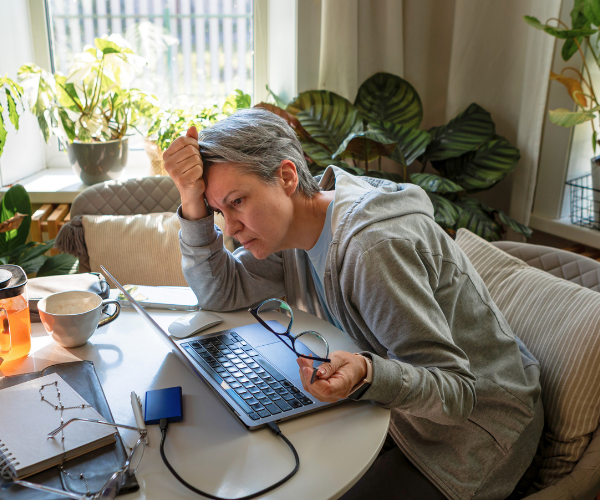
The number one thing I have seen that impacts people’s sleep is actually stress and worry – not phone usage or coffee or small amounts of alcohol or sugar.
Instead of trying to be perfect, it might be helpful to think about what kind of device usage adds to stress and what doesn’t. ‘Doomscrolling’ and checking work emails, for example, often adds to anxiety.
Instead of banishing devices completely from your evenings, start thinking about realistic boundaries you can put in place.
Helpful screen usage in the evening might be something soothing, like listening to an audiobook, podcast or guided meditation. It could also be reading or doing a simple word puzzle.
If you wanted to reduce your screentime, you could consider whether there is an analogue alternative for what you like doing. It might be writing in a journal instead of your notes app or reading a book instead of an online news article.
Remember, your body needs the time to come down from the day it has had.
Be kind and unwind
As a health psychologist, I know there is a strong relationship between physical health and mental health. Poor sleep can be a red flag for when you are not doing well.
Once you’re sleeping better, you’re more emotionally regulated and often feeling better. But ‘good sleep’ looks different for different people, at different stages of their life.
If you’re struggling with your sleep, it’s important to seek help and make changes early.
I started reading books again and it was a game changer for me. What could be your game changer? It might be a small shift in how you use your phone, rather than banishing it from the bedroom altogether.
Be informed, but most importantly, be kind to yourself.
More on sleep