


















-
Related Topics
-
Date added:August 7 2026
-
Read time:4 min
Healthy ageing isn’t just about living longer – it’s about staying well enough to enjoy life and deal with whatever comes along. Here, Jean Hailes women’s health specialist GP Dr Melanie Hemsley shares health advice and practical tips to help you thrive through your 70s and beyond.
Some women in their 70s that I see are travelling, volunteering or enjoying their grandchildren. Others are managing health conditions or caring for loved ones.
Whatever your circumstances, a few habits can make a big difference. I encourage women in their 70s to see their doctor regularly – typically every 3 to 6 months. As doctors, this helps us to help you manage any existing conditions and monitor how you’re feeling, moving and coping with daily life.
It also means we can pick up any problems early, which gives us more options to keep you well.
Keep up with your health checks
If you haven’t already had a bone density scan, ask your doctor about it. There’s a Medicare rebate for this test if you’re over 70. It’s also important to keep track of your blood pressure, cholesterol, diabetes risk and kidney function.
By your mid-70s, routine screening for bowel, breast and cervical cancer can usually stop. But it’s important to discuss this with your doctor. And remember, it’s still essential to tell your doctor about any symptoms such as vaginal bleeding, changes in your breasts or bowel habits, or bleeding from the bowel.
Skin checks, eye checks and hearing tests are also important.
Are your checks up to date?
Find out now with Her Health Check.
Let’s check
Support your immune health
As we get older, our immune systems are less able to fight infections. One of the best ways to protect yourself is to keep your vaccinations up to date.
I strongly recommended getting vaccinated against shingles and pneumonia if you haven’t already, as well as keeping up with regular COVID and flu vaccines. These vaccines are all free for people aged 65 and over. Vaccination against respiratory syncytial virus (RSV) – a leading cause of lung infections in older adults – is also free for people aged 75 years and older. Your doctor can advise you about which vaccines are recommended and when.
Protect your brain
Many people worry about dementia as they get older, but it’s essential to report any concerns about memory or thinking to your doctor.
These symptoms can stem from something treatable, like a vitamin deficiency or mental health condition. Whatever the cause, putting strategies in place early can help you stay independent for longer.
The habits that protect your heart also support your brain. Aim to stay physically active, limit alcohol, manage any cardiovascular risk factors and eat a nutritious diet rich in fish oils and low in saturated fats.
Social connection plays a key role in maintaining brain health. Make a point of doing things that keep you connected, like spending time with family and friends or joining a community group.
Hearing loss is a risk factor for dementia, so it’s especially important to get your hearing checked and manage any hearing loss.
Review your medicines
Many women in their 70s take several medicines, and they may not all be appropriate any more. Some medicines can interact with others or increase the risk of side effects like dizziness or falls.
Ask your doctor or pharmacist about a medication review. This can help ensure you’re taking the right medicines at the right dose and reduce the risk of complications.
Keep your body strong
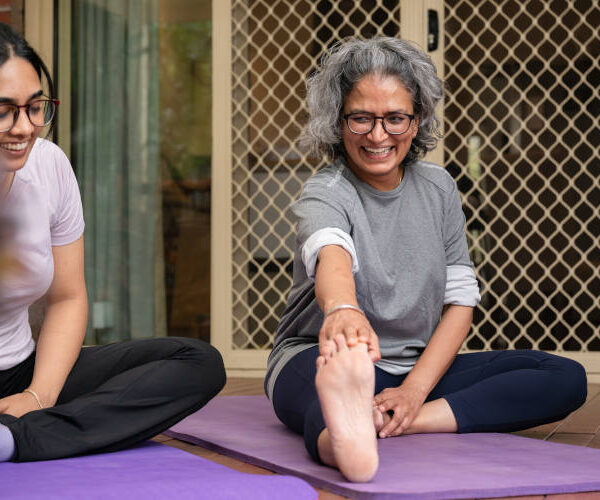
In your 70s, strong muscles can help you stay independent and active. Aim to do activities that raise your heart rate, along with strength and balance exercises. These help maintain muscle and bone health, reduce the risk of falls and fractures, and make everyday activities easier.
Good nutrition is equally important. Getting enough protein, calcium and vitamin D, and including foods rich in omega-3 fats (like fish), all support healthy ageing.
Learn more about how to protect your brain health and bone health.
Plan for your future
Your 70s are a good time to think about what you’d want if you couldn’t make choices for yourself for any reason. I know it can be difficult to talk about this topic and appointing someone to make decisions for you if needed. But the best time to have these discussions is when it feels too early. I often tell patients to do it now, rather than waiting until a health crisis makes it harder.
- Your future-proofing checklist
- See your doctor regularly for health checks and health condition management.
- Stay up to date with recommended vaccinations.
- Review your medications with your GP or pharmacist.
- Ask your doctor about a bone density scan and report any new symptoms.
- Complete Her Health Check to find out which health checks you need.
- Stay active with aerobic, strength and balance exercises.
- Eat a healthy diet with enough protein, calcium, vitamin D and omega-3s.
- Stay socially connected through family, friends, hobbies or group activities.
- See your doctor about any changes in your memory or thinking.
- Talk about your health care preferences and planning while it still feels ‘too early’.
Related Articles


Women’s Health Week in the outback – taking to the skies with the Royal Flying Doctor Service
Menopause • Breast health • Periods • 4 min

New Endometriosis Management Plan puts women at the centre
Endometriosis • Persistent pelvic pain • 3 min

Are you eating enough? The everyday signs you’re running on empty
Nutrition and healthy eating as you age • 5 min

The exercise gap – Why women are moving less
Staying active as you age • 4 min