
















-
Related Topics
-
Date added:August 5 2026
-
Read time:4 min
Many women in their 50s feel fine, but it’s often the decade when health risks start to change. Here, our women’s health specialist GP Dr Melanie Hemsley explains how regular health checks and small lifestyle changes can help you stay active and independent for decades to come.
Developing healthy habits is like putting money into a savings account – the earlier you start, the more it pays off. Similarly, the health choices you make in your 50s will help determine what your 60s, 70s, 80s and even 90s look like.
I see a lot of women in their 50s and many of them still feel well, but it’s the decade when some health risks begin to emerge – and menopause often occurs. That’s why I encourage women to be proactive about their health rather than waiting until problems crop up.
Stay on top of your health checks
One of the most important things you can do in your 50s is keep up with recommended screening tests.
Heart health is worth particular attention because blood pressure, cholesterol and diabetes risk increase after menopause. If you have cardiovascular risk factors, your doctor can discuss which tests may be appropriate. A kidney health check is also worthwhile if you have risk factors.
It’s also important to stay up to date with breast, bowel and cervical cancer screening. Too often, bowel screening kits end up forgotten in a cupboard. I recommend putting it in the bathroom and setting yourself a deadline to do it.
If you notice any changes in your bowel habits or bleeding, or have concerns about your breast health, don’t wait for your next routine screening – see your doctor. They can help you understand your risk and whether you could benefit from more personalised testing.
Ask your doctor about your skin cancer risk and how often you need checkups. And if you notice any change to your spots, freckles or moles, make an appointment to get them checked out.
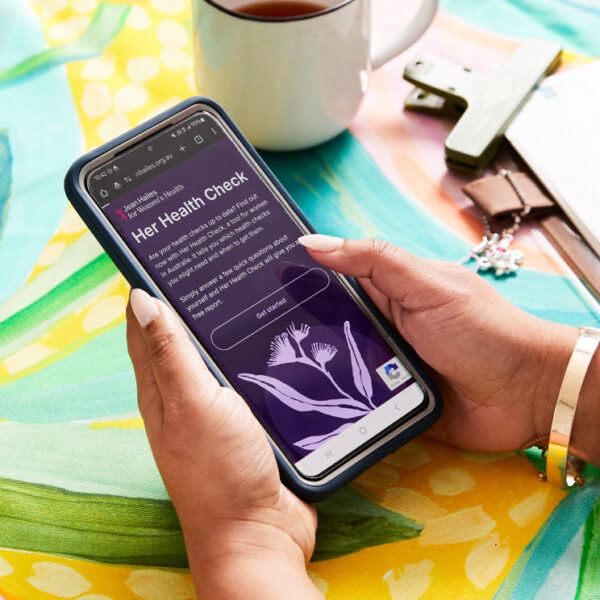
Are your checks up to date?
Find out now with Her Health Check.
Let’s check
Manage menopause with confidence
For many women, menopause is one of the biggest transitions of this decade.
While symptoms like poor sleep, hot flushes and mood changes are common, you don’t have to put up with them.
Safe, evidence-based treatments are available, including menopausal hormone therapy and numerous other options. Your doctor can help you understand the benefits and risks of different therapies and decide what’s right for you.
Many women I see are particularly worried about brain fog, but it’s rarely a sign that something is wrong with their brains. If you’re concerned about changes in your memory or thinking, your doctor can explore what’s going on and provide reassurance or further assessment if needed.
Protect your brain and bones
Many habits that protect your heart – like healthy eating, being active, getting good-quality sleep and limiting alcohol – also support healthy brain ageing. Staying socially connected is important too. It’s worth having a hearing assessment if you have any concerns, because untreated hearing loss is a risk factor for dementia.
Around menopause, I often recommend having a bone density test, particularly if you have risk factors for osteoporosis. Weight-bearing and resistance exercise can help maintain your bone strength and reduce the risk of fractures later in life. It’s also important to get enough calcium and vitamin D, which can sometimes be difficult. Talk to your doctor about whether supplements are appropriate for you.
Learn more about how to protect your brain health and bone health.
Mind matters
Your mental health is just as important as your physical health. Sleep problems, anxiety and low mood can all become more common during this decade. If you have any concerns about your mental wellbeing, see your doctor.
Healthy habits that add up
The most important thing you can do is make your own health a priority. You don’t need to overhaul your lifestyle or rely on willpower. It’s much more effective to build small, sustainable habits. Over time, they can make a huge difference to your future health.
Your future-proofing checklist
- Stay up to date with cervical and breast cancer screening.
- Complete your bowel screening test when it arrives.
- Talk to your doctor about your heart health.
- Have regular skin and eye checks.
- Discuss a hearing assessment if you have any concerns.
- Eat a healthy diet and stay physically active.
- Include resistance, weight-bearing and balance exercises.
- Prioritise good-quality sleep and stay socially connected.
- Limit alcohol and get support to quit smoking if needed.
- Keep your vaccinations up to date.
Related Articles


Women’s Health Week in the outback – taking to the skies with the Royal Flying Doctor Service
Menopause • Breast health • Periods • 4 min
New Endometriosis Management Plan puts women at the centre
Endometriosis • Persistent pelvic pain • 3 min
Are you eating enough? The everyday signs you’re running on empty
Nutrition and healthy eating as you age • 5 min

The exercise gap – Why women are moving less
Staying active as you age • 4 min