Search Jean Hailes
-

Refusing to stay quiet – Lotte Weber on period pain, endometriosis and being told she was too young for a diagnosis

  • Related Topics
  • Author:
  • Read time:
    4 min

When Lotte Weber got her first period at 14, she knew something wasn’t right. Doctors thought her debilitating pain was her body simply adjusting to the menstrual cycle. But Lotte wasn’t convinced. Desperate for answers, the teen set out to ask hundreds of other highschoolers about their periods. The stories were eye-opening.

Fast forward to age 23, Lotte now has an endometriosis diagnosis. This Women’s Health Week, she talks openly about getting through school with an undiagnosed condition and not waiting for permission to speak up.

Endometriosis had a profound impact on my high school experience. Once I got my first period, I’d miss 5 or 6 days of school every month because of pain, nausea and fatigue. I remember feeling embarrassed and frustrated when I couldn’t reach the sick bay in time and was sick in a school corridor. By Year 12, I was too unwell to sit my art exam.

Although I couldn’t get accommodations for exams, my teachers were always understanding whenever my attendance suffered.

Endometriosis is a chronic condition where tissue similar to the uterine lining grows outside the uterus. Learn about the symptoms, how it’s diagnosed and the treatment options.

Throughout my high school years, I was in and out of doctors’ appointments trying to understand what was happening to my body. I was told my excruciating symptoms were my body adjusting to my cycle, I was too young to be diagnosed, and it was too early to do anything about it.

It was difficult to hear at a time when I was trying to figure out my education, relationships and place in the community. I was also surrounded by hundreds of other menstruating girls at school every day so I had a pretty good idea that my experiences were not exactly normal.

I felt defeated, but I also became increasingly frustrated and with my mum’s support, I used that frustration to keep pushing for answers. My mum suggested that if I was going through this, I mustn’t be the only one. So in Year 11, I started a passion project called Third Period, where I surveyed students from neighbouring schools about period pain in the classroom. I wanted to see if I could find some sort of community.

The survey got more than 200 responses in the first 5 days. There were stories of girls missing exams because of period cramps. Many of them weren’t comfortable telling their teachers what was going on. It was an eye-opening project that inspired me to keep talking and seeking answers.

The year after I graduated, I finally got an endometriosis diagnosis and underwent surgical treatment when I turned 20. Although there isn’t a cure for endometriosis, it felt validating to finally have a name for what I was going through. I felt justified that I knew my body and I hadn’t been making it up all those years.

But the journey shouldn’t have been that difficult.

Endometriosis awareness is getting better, but young people are still underrepresented in health conversations. Often, there’s talk of how endo impacts fertility and workplace participation. But we need to hear youth voices and see their experiences embedded in health settings as well.

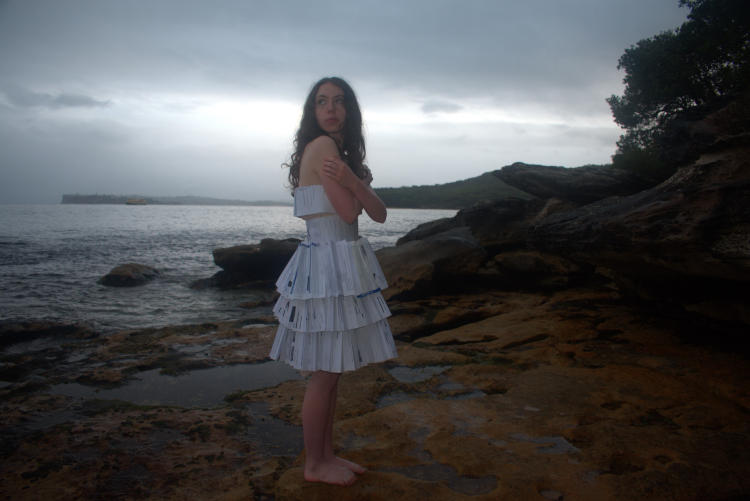
Earlier this year, I entered an endometriosis art competition with a photo of a dress I’d made entirely of my medical records (photo above). There were 5 years’ worth of scan results, surgery reports, referral letters, blood tests, prescriptions and even a note to school from my mum writing me up for period cramps. Each fold on the dress captured a different part of my story and allowed me to express the overlooked weight carried by young patients.

Through my university, I’ve also had the opportunity to assist with research developing a range of endometriosis and pelvic health resources for secondary schools in New South Wales. The project has involved collaborating with other students, academics and key stakeholders, and aims to reduce stigma and encourage earlier help-seeking in the classroom.

It’s important that other young people have the confidence and support to advocate for their needs and to be persistent when seeking answers. It’s OK to back yourself when you’re being told that you’re too young. It’s OK to be frustrated and it’s OK to participate in every aspect of your life, even if it means asking for accommodations.

Find ways to be heard.

Photo: EndoMEtriosis Art Competition finalist Lotte Weber, This Cannot Be Worn, 2026

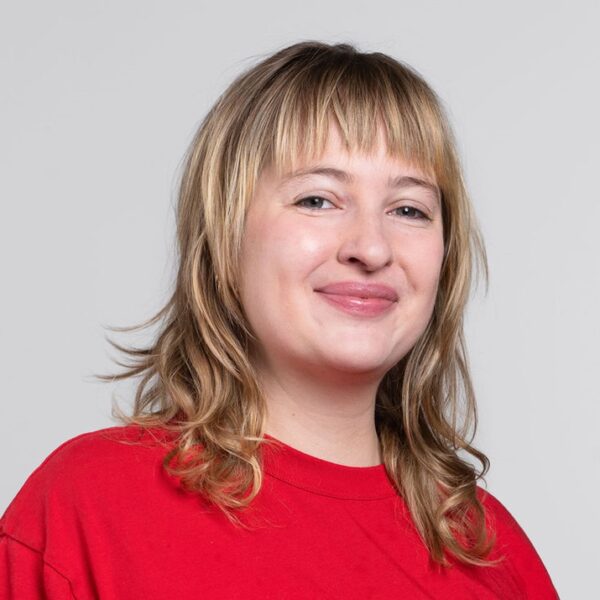
Lotte Weber standing by the ocean

About Lotte

Lotte Weber is a writer, university student and women’s health advocate.