











-
Related Topics
-
Author:
-
Read time:4 min
Team
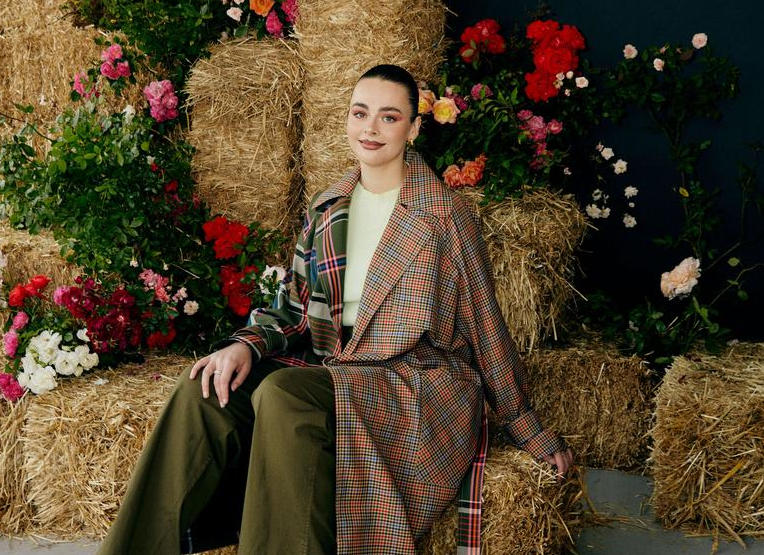
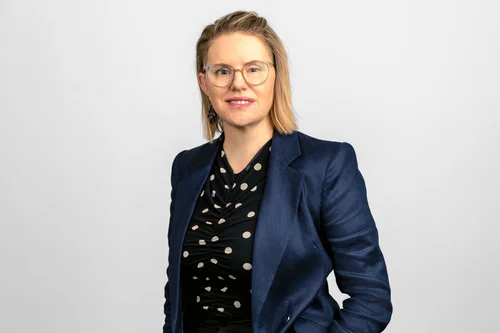
Hattie Malloy
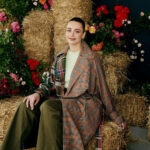
Hattie is one of Australia’s leading botanical artists.
Health information for Aboriginal and Torres Strait Islander women.
Hattie Molloy is one of Australia’s leading botanical artists. After suddenly acquiring a disability in 2021, she has had to rethink almost every part of her life.
Here, Hattie shares how she has rebuilt her life around her changing body, learned to live with uncertainty and found new ways to seek small moments of joy and creativity.
I am a botanical artist and object maker, and I create large-scale installations. I do a lot of my own photography and still life as well. I would describe my style as other-worldly, but it’s also just my personality. I like the weird and wonderful.
I was diagnosed with functional neurological disorder (FND) in 2021. It means that the signals between my brain and other parts of my body become disrupted. It happened very suddenly – I had a migraine one day and the next day I couldn’t walk or talk. My system essentially shut down.
I was fortunate to have an established business when I became unwell. I adapted my business to sell the vases I design online, which means I’m able to work when my body allows me to.
Before this happened, I was 28 and thought I was invincible. I never imagined my life could change so completely. I think it’s important to think about how we want to live if our circumstances change, because none of us know what life might bring.
For me, it’s been about finding dignity and grace in my life as it is, rather than holding onto the life I thought I would have.
Before this happened, I was 28 and thought I was invincible. I never imagined my life could change so completely.
A big thing for me was deciding to move to the country and live with my mum. I spent so long stuck in an apartment with stairs, which kept me isolated from the world. Now I feel incredibly lucky to have a home that is accessible and allows me to live my life more fully.
At the moment, I’m taking a break from large-scale installations and events. The boom-bust cycle they put my body through has become too high a price to pay. I don’t think people always understand the hidden cost of living with chronic illness and disability. I could do an event, but afterwards I could be bedridden for months.
I still have weeks where I feel so much grief and my brain plays back my old life. I think it’s important to allow yourself to feel that grief, especially when it comes to acquiring a disability. You don’t always have to be positive or present a polished, ‘coping well’ version of yourself for other people.
I can be upset about what’s happened and I can also keep going and ride the wave. I’ve seen myself come out the other side of those periods with a different outlook, not because the sadness wasn’t real, but because it moved through me rather than getting stuck.
Now, if I’m feeling agitated or stuck, I get out into my garden. When your world becomes smaller, you can become fixated on your own circumstances, and then you look around – watching the birds, noticing the blossoms starting to open or the roses beginning to show a bit of colour – and you realise there are things happening outside of your own situation. All of those little things remind you to zoom out.
It’s difficult not knowing how you’re going to wake up each day. There’s so much fluctuation, and you’re never quite sure what your body is going to do. Some days I wake up without speech or I’m unable to walk.
My symptoms can fluctuate quickly throughout the day, which makes FND incredibly unpredictable. I can go from having an OK day to a bad day very quickly. Sometimes, in the afternoon, I ‘come back online’ – that’s what I call it.
For me, ‘doing it anyway’ isn’t about pushing through. Every morning I wake up and listen to what my body is telling me. I have to honour the days when it needs to rest. On the days when it allows me to do more, I have to be careful not to push it past the point where my symptoms flare up.
It can feel like an impossible balance to find sometimes, but I have to give my body grace and talk to myself with kindness. I don’t have the option of simply pushing harder.
… doing it anyway’ isn’t about pushing through. Every morning I wake up and listen to what my body is telling me.
Pacing has been the biggest learning curve and it’s taken me a long time to find what works for me.
I want other people going through something similar to know that I see how hard it is. I want to validate that struggle, while also encouraging them to look for small glimmers of joy in their day.
It’s these small moments that matter most. On difficult days, I try to notice even a small moment of joy and hold onto it. At the end of each day, I do a top 3 recap with myself. It might be a cuddle with my cats, smelling a flower or having a cup of tea with my mum.
Find what works for you.