Falling in love with learning
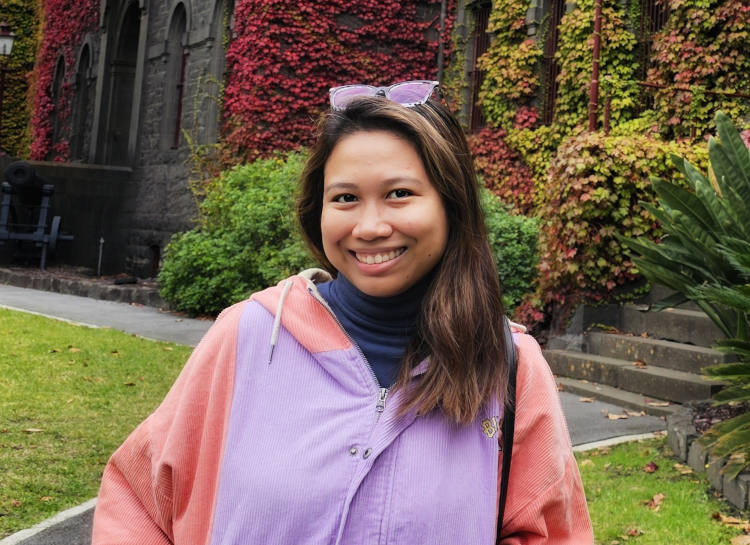
I was born and raised in Bali and have always been fascinated by how people learn. My mum was a lecturer at university and she would often take me and my sisters to work with her because she couldn’t afford a nanny. She’d teach lessons in biology and I remember thinking this is so cool – it was the start of my love of learning.
In high school, I joined the debate club where I learnt to ask questions, think critically and explore polarising health issues, like abortion.
By 2018, after I completed my masters in Java, I got a scholarship to do my PhD in Australia. Later, I found myself working with the University of Melbourne at the Nossal Institute for Global Health. It was there that my love of education and making learning accessible to others really took off.
“I thought, why not? The path isn’t clear, the future isn’t promised, just give it a go.” Dr Mitha Eka
At Nossal Institute, I was invited to help design a series of educational resources on cervical cancer for patients in Indonesia. At first I hesitated. I didn’t understand the disease or have a medical background. But then I thought, why not? The path isn’t clear, the future isn’t promised, just give it a go. With a wonderfully supportive team, I did.
Demystifying cervical cancer and challenging taboos
The team and I worked with cervical cancer survivors, patients, clinicians and community-based organisations in Indonesia. Together, we built culturally safe information for women, their families and doctors. We successfully piloted the information across 4 Indonesian hospitals and are now looking to get it out to even more people.
This sort of information is sorely needed because in Indonesia, sexual and reproductive health has long been seen as taboo. At high school, my sexual health education focused on abstinence, and we were told that if you had sex, you’d get pregnant or catch an STI. That kind of bubble we lived in affected women’s health care and their futures.
When my aunties died of cervical cancer, my family had very little information about the disease. Through Nossal Institute, I learnt that cervical cancer is usually caused by a virus. And it’s largely preventable with vaccination and screening. Spreading this message – and that it’s OK to be screened – is what drives me.