

















-
Related Topics
-
Date added:July 16 2026
-
Read time:4 min
Dr Tessa King is passionate about the benefits of staying connected as we age. In our healthy ageing podcast series, the specialist mental health GP shares how and why meaningful relationships matter in later life, and her tips for reaching out.
Good mental health in later life is strengthened by feeling connected to others. Meaningful relationships can support us to feel happy and healthy, get outside and stay active.
A Harvard University study, done over 80 years, found that having good quality relationships and feeling connected with others is the key to our happiness and wellbeing.
It is also important for our brain health, fitness levels and sense of purpose.
Make time to notice and name your feelings
Staying connected is not about having a certain number of friends. It’s about feeling connected, feeling understood and feeling that we can reach out to others.
This ‘reaching out to others when we need to’ is a really important factor. Some people refer to this as their emotional support network.
Who we rely on may change over time. General impacts of ageing, major illnesses and loss of friends and family as we age can all impact mental health.
Talking to a friend, health professional or family member about how you feel can help let others know, and help them to recognise loneliness early.
Finding mutual interests with others can also be a helpful way to strengthen relationships and discover new hobbies.
Finding purpose and connection
Social activities that support our emotional wellbeing can help us handle life’s transitions and build a stronger sense of self.
There are many ways to stay connected. This might mean joining a new club, becoming involved in an organisation, or connecting with your local religious or cultural group.
Helping others through volunteering can also lift your mood and strengthen your sense of purpose. Some charities have peer support programs where participants can check in with each other or connect over shared experiences.
Staying connected works best when you choose activities you genuinely enjoy. This could be walking with a friend, joining a class, or learning something new, like a language.
My tip is to use your hobbies to make friends and stay connected to a community of like-minded people.
Adapt your routines
We might not be able to do things exactly as we did when we were younger. Setting a goal may come with the acceptance that it could take a bit longer or it might need to be done slightly differently.
Finding people who are the same age or fitness level as you can be motivating. Some coastal cities in Australia, for example, have groups of women who ocean swim together every day. Other towns and cities have walking groups, chess clubs and rotary organisations.
These kinds of activities help you stay active, meet people and keep your mind engaged, including for women in rural or regional areas where options may be more limited.
Be kind to yourself
Mindfulness is a practice that helps individuals manage their stress, emotions and anxiety. If being social brings up feelings of nervousness, finding time to be mindful can help.
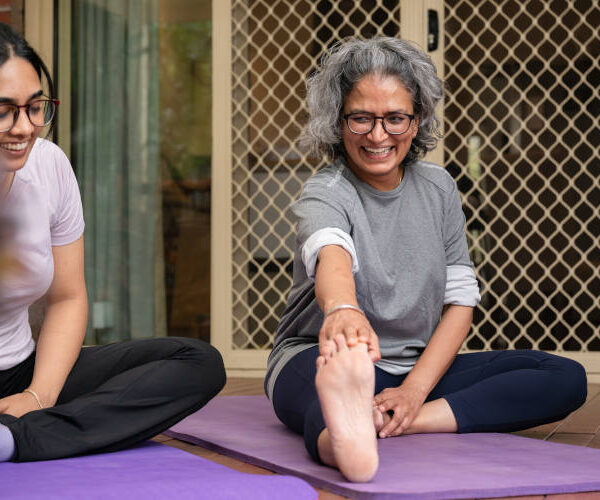
Many local gyms and pools offer sessions of yoga, Tai Chi and other group activities that help you slow down and listen to your thoughts. Searching for meditations online can also be helpful.
Research suggests that mindfulness can also help us be less judgemental of ourselves and our actions.
Good sleep is important for good mental health and emotional wellbeing as well.
Connection supports your whole health
Emerging research shows that loneliness can be as damaging to our health as smoking. People who don’t feel connected have higher rates of cardiovascular disease, obesity and cognitive decline.
Being socially engaged helps keep our minds and bodies active, as we tend to do activities with other people. This is one way our physical, mental and emotional health are closely linked.
If we’re talking more then we’re using our brains, so we have lower rates of cognitive decline.
What’s more, when we spend time with others, we are more likely to go outside, stay active, use more of our brains and build stronger, supportive relationships.
Related Articles

Women’s Health Week in the outback – taking to the skies with the Royal Flying Doctor Service
Menopause • Breast health • Periods • 4 min
New Endometriosis Management Plan puts women at the centre
Endometriosis • Persistent pelvic pain • 3 min
Are you eating enough? The everyday signs you’re running on empty
Nutrition and healthy eating as you age • 5 min

The exercise gap – Why women are moving less
Staying active as you age • 4 min