

















-
Related Topics
-
Date added:May 29 2026
The Jean Hailes National Women’s Health Survey, conducted in collaboration with Dementia Australia, reveals widespread gaps in women’s understanding of both dementia risk and prevention.
Only 1 in 6 women know dementia is the leading cause of death among Australian women, and most are unaware that factors such as blood pressure and hearing problems can influence dementia risk.
Jean Hailes for Women’s Health CEO Dr Sarah White says the findings highlight the need for greater investment in public education and information about dementia and brain health specifically for women.
“Some of the risk factors for dementia are related to health and social factors specific to women, meaning we need to develop information and policies specific for women,” Dr White said.
“Ensuring all Australian women have access to evidence-based, practical and gender-specific information about dementia will help thousands more women live longer in better health, not just live longer.”
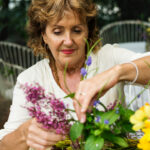
Alongside her three siblings, Fun Lam cares for her mother, who was diagnosed with vascular dementia in her 80s.
Rather than feeling fearful, Fun has taken a proactive approach to reducing her risk. She prioritises social connection and keeps her mind active through learning new skills, including Mandarin, piano and dancing.
“I am conscious, but not fearful,” she says. “I know the things I can do to lower my risk, and I am doing them now.”
Dementia Australia CEO Professor Tanya Buchanan said the survey results reinforce the importance of the need for a national brain health campaign.
“These findings highlight the critical need for a national brain health campaign which will ensure Australians have the information and support they need to reduce their risk of dementia,” Professor Buchanan said.
“Whilst we cannot change getting older, genetics or family history, looking after our brain health can make a big difference to reducing or delaying the risk of developing dementia.
“Dementia has recently been confirmed as the leading cause of death for all Australians, but it has long been the leading cause of death for Australian women. With the number of Australians living with dementia expected to increase to more than one million by 2065, now is the time to talk about brain health, dementia and how to reduce our risk.”
For more information and to arrange interviews, please contact:
- Michaela Cameron, Jean Hailes Communications and Advocacy Lead: 0429 262 799, michaela.cameron@jeanhailes.org.au
Note to Editors:
When talking or writing about dementia please refer to Dementia-Friendly Language Guidelines (PDF).
We request, where possible, details for the National Dementia Helpline 1800 100 500 appear alongside news stories about dementia, as these stories often prompt questions or concerns:
If this story has prompted any questions or concerns, please call the National Dementia Helpline 1800 100 500 (24 hours, 7 days a week) or visit dementia.org.au.
Related Articles
Women’s Health Week in the outback – taking to the skies with the Royal Flying Doctor Service
Menopause • Breast health • Periods • 4 min

New Endometriosis Management Plan puts women at the centre
Endometriosis • Persistent pelvic pain • 3 min
Are you eating enough? The everyday signs you’re running on empty
Nutrition and healthy eating as you age • 5 min

The exercise gap – Why women are moving less
Staying active as you age • 4 min