Podcast transcript: Bones, joints and ageing well – what every woman should know
Dr Sarah White (00:01):
One of the key things that Jean Hales seeks to do is to find out the health information topics that are really important across a woman’s lifespan and then to address any health information gaps. Recently we asked women 65 and over what was the health information they really wanted to know, and we were overwhelmed with responses. More than 1000 women responded to that survey within a matter of weeks. This podcast series has just a few of those top issues that women wanted to know more about. Dr. Sonya Davison. Welcome to the Healthy Ageing series from Gene Hales Women’s Health Endocrinology lead with the Gene Hale Specialist Clinics. Really happy to have you here. I’m very pleased to be here. Indeed. Great. So endocrinology, you obviously then know quite a bit about bones. Do you want to explain a little bit about what an endocrinologist is and does?
Dr Sonia Davison (00:57):
Sure. I trained as a physician and after my physician training I launched into endocrinology through various pathways. Endocrinologists know about hormones. The body has a huge amount of hormones and it’s funny about the connection between hormones and bones, but there is a very special connection between hormones and bones and without hormones we can’t live and without bones, we’re in a lot of trouble as well.
Dr Sarah White (01:24):
Now, one of the most common questions we got when we did a survey of 1000 women over 65, there were questions about bones and also joint health. What do women need to know about their bones and their joint health as they get older?
Dr Sonia Davison (01:40):
Use it or lose it. That’s a pretty simple line. We’ve got to stay active and it’s very important because around menopause, around 50 51, we lose 0.6% of muscle mass per year. And we know when we’ve looked at global statistics that women are not exercising from the forties on as they should be. So we’re not only not exercising, we are losing muscle. Muscle is important for supporting our bones and our joints and for our overall health and wellbeing.
Dr Sarah White (02:13):
So that’s that double whammy. You start to lose it. That then affects your bones and joint health and that’s why we have to keep going with our physical exercise, our weights, what do we need to do?
Dr Sonia Davison (02:24):
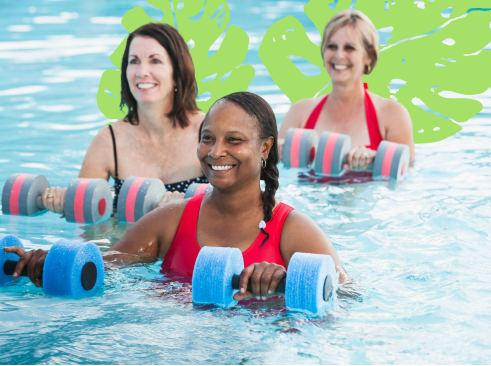
All of those things. We need to just keep active. We need to do weight weightbearing. Ideally we’d do a combination of different activities because some activities are good for heart like cycling and swimming. But other things like brisk walking, jogging, dancing, they’re good for bones around menopause as well, it gets a little bit more depressing because we do lose bone density and when we lose bone density, that can lead to osteopenia, mild bone thinning and osteoporosis, which is when the bones are so thin that a minor trauma can lead to a fracture. And that’s
Dr Sarah White (03:00):
A great fear for a lot of women, isn’t it? As we get older, we really worry. I worry about my mom, we really worry about that osteoporosis and that frailty of the bones and breaks.
Dr Sonia Davison (03:11):
There’s nothing like the two words or three words, cancer, dementia, and osteoporosis. Women look at me with this particular look and they say, I don’t want those things. And it is, especially when there’s a family history of those things that women tend to get motivated
Dr Sarah White (03:30):
And we know that exercise is good for us and we’ve talked about that muscle. When do we actually need to really worry and get started with that exercise? Is it just when we get
Dr Sonia Davison (03:41):
Older it’s about a life of being active using our body. We are not worms. Worms don’t have skeletons. They don’t have bones because they go through the ground. We have bones. We need to stand up, we need to use those bones. We need to be active. Many of us are using the remote control, we’re using a garage with a remote. We’re not going to the tv, we’re not putting clothes on the line anymore. We used to be very active, but we’ve got very busy doing other things. We sit in traffic, we’re commuting. Whatever activities we can do, even if it’s just climbing the stairs at work, parking a little bit further away. We’re using our body more when we do those things. So
Dr Sarah White (04:25):
It’s just even that little bit of incidental exercise can help a bit.
Dr Sonia Davison (04:28):
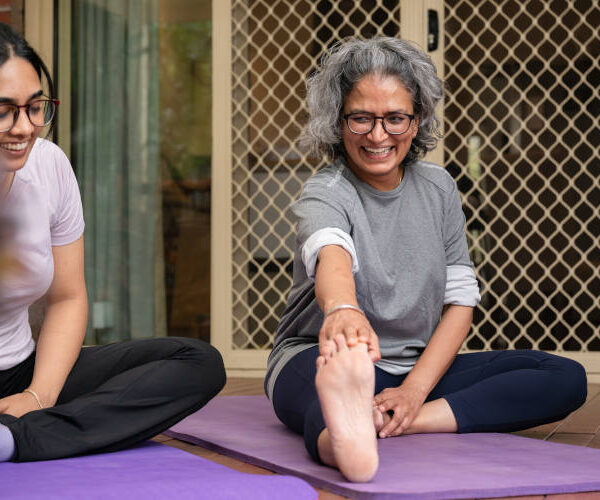
Ideally we’ll be doing 150 minutes of exercise moderate per week, and that’s 21 and a half minutes per day. It can be done. It doesn’t have to be astonishing. People think they need to join gyms or do whatever on a smart tv for example, you can find a Zumba class, Pilates, yoga, tai chi. It can all be done. It just has to click here and women just got to make it happen. Click, click here as in the brain as in you’ve got to find that motivation. You’ve got to want to do it. You’ve got to want to have a good healthy outcome. You’ve got to possibly be afraid of osteoporosis. It works, but you’ve got to just make it happen in whatever you can afford with the time you’ve got available and get some advice as well. There’s some beautiful information of course at the Jane Hale’s website, but also Healthy Bones Australia has some amazing information about how to maintain our body, how to exercise, what’s safe and what we should be doing.
Dr Sarah White (05:31):
Yeah, that’s great advice. And diet is also important for us when we’re talking about our
Dr Sonia Davison (05:37):
Bones particularly we want a calcium rich diet after menopause, 1300 milligrammes of calcium per day through diet if we can before menopause a thousand milligrammes per day for women, what would 1300
Dr Sarah White (05:50):
Milligrammes look like? Is that two glasses of milk? Is it you a chunk of cheese? What
Dr Sonia Davison (05:57):
Does that look like? Soya, there’s a beautiful table. If you just Google calcium content of food, it is on the Healthy Bones Australia website. I do believe our website has it as well, but you can easily see what a glass of milk has. There is calcium in other things. There are particular additions to some foods, like there’s a commercial brand of tuna which has calcium written across the can that has almost all of the calcium you need per day in that one can.
Dr Sarah White (06:26):
Fantastic. Looking at that diet, looking at that exercise, and we can go a long way to preventing osteoporosis even if we have a bit of a family history.
Dr Sonia Davison (06:35):
Genetics are a big part of this. Genetics, racial differences, genetic, all of those things, ethnicities as well. Smoking is a big risk factor post-menopausal early menopause as well. But there are also other conditions such as celiac disease, rheumatoid arthritis, thyroid diseases. So those people need specific advice from their health professional. So is
Dr Sarah White (06:59):
This when bone health checks become important for women, when should we start talking to our doctors about bone health checks?
Dr Sonia Davison (07:06):
It’s really tricky because the Medicare rebate is only there in certain conditions. So if you want to have a bone density scan done, which is called a DEXA scan, that usually measures the bone density at the lower spine and the hip and that’s our best way of seeing what your bone density is. There are other tests which aren’t as robust, but you might be out of pocket if you present at midlife, just worried about your bones and want to get a baseline. I love it if women have a baseline scan around menopause, but I do acknowledge that they might be a hundred or $200 out of pocket and not everyone can afford that.
Dr Sarah White (07:44):
And so that’s what you mean by the Medicare rebate. Medicare doesn’t actually pay for that test. You have to pay for it all yourself. So it becomes 100 to 200. That’s a real barrier for some women. Obviously
Dr Sonia Davison (07:56):
It will be a barrier, so therefore it’s more important to talk about those other measures. Vitamin D is important, calcium in diet, the weight weightbearing exercise and sometimes there will be an indication within your health such as steroid use for example, for asthma or whatever, that will actually give you a Medicare item number so that bone density scan will be covered.
Dr Sarah White (08:20):
So that’s something to specifically ask your doctor about perhaps.
Dr Sonia Davison (08:23):
Yeah.
Dr Sarah White (08:23):
Okay, terrific. You’ve mentioned weightbearing exercise. What exactly do you mean by weight-bearing exercise? How would you describe that to one of your patients? It’s a variety
Dr Sonia Davison (08:33):
Of activities. It’s not one particular thing. A slow walk won’t do much for your bone health, but it is better than sitting on the couch. A brisk walk for example. Holding weights will do more. It’s anything that puts the stress through the skeleton that makes us use our muscles and our legs and supports our skeleton through the hips.
Dr Sarah White (08:54):
So it’s literally bearing weight. So it’s not cycling, it’s not swimming, not swimming. It’s not the rowing machine. It is actually bearing weight through our legs, through our skeleton and it doesn’t have to be jumping around, right. It can be. It doesn’t have to be some really high intensity bounce around kind of thing.
Dr Sonia Davison (09:17):
Sorry, I dunno a better way to describe it. It’s interesting, but the skipping and hopping, which can be skipping and hopping at home really do benefit bone density and even a small amount of just hopping on one leg and then going to the other has been shown to actually help bone density. So it’s very fascinating. So a little bit of impact
Dr Sarah White (09:36):
Can be good, but I presume you’d be a little bit worrying a little bit about falls. If you’re doing hopping, you’ve got star jumps or something like that.
Dr Sonia Davison (09:45):
Skipping hopping Zumba, right. My ladies who do really well do Greek or Israeli dancing, that nice rhythmical, sort of hoppy dancing. Amazing. Some women will do a programme,
Dr Sarah White (09:58):
Who would you go to see if you wanted a targeted programme for exercise and helping your bones?
Dr Sonia Davison (10:03):
There’s a new specialty now called exercise physiology. They’re not physios there, they’re a biomechanics expert. I know it’s an emerging area. Very exciting. They know about bones, they know about muscles and they know about exercise. So they can tailor an exercise programme to you and if it’s appropriate for you and if your GP agrees to this, the woman can have a GP care plan and they can get certain number of visits covered with an exercise physiologist. So that’s a really brilliant way to set up a programme, again, tailored to your body, taking into account injury or problems that you might have with your musculoskeletal health and also aiming at maintaining or improving bone density.
Dr Sarah White (10:49):
Oh, that’s fantastic. Just to be clear, musculoskeletal is literally what it sounds like. That’s your muscles and your skeleton working together. So that biomechanics is about those two things working together. Is that right?
Dr Sonia Davison (11:02):
Yeah.
Dr Sarah White (11:02):
But for women who might be in rural and regional areas where there’s perhaps not the Israeli or Greek dancing or a special programme, it could be as simple as hopping from one leg to another or doing your jumping jacks or something like that.
Dr Sonia Davison (11:20):
I would go to the Healthy Bones Australia website. If you Google exercise guide, there’s a beautiful comprehensive guide with pictures, women in beautiful leotards showing how to do the exercises, giving guidance, how many to do, and giving guidance as per normal bone density, osteopenia or osteoporosis. What’s safe to do? Oh, so they
Dr Sarah White (11:43):
Actually do the exercises that are safe. So osteopenia, if I remember correctly, is thin bone bone thinning and then osteoporosis is brittle. Yeah.
Dr Sonia Davison (11:52):
So they’ve got exercises that help, it will tell you what will be good and what will be safe and what sort of duration you want to do with those. So that’s something really helpful you can do with the soup cans at home.
Dr Sarah White (12:05):
What would be your top three tips for women who want to look after their bone
Dr Sonia Davison (12:10):
Health? I’ve already said one, so repeating, but use it or lose it. Keep active, do weightbearing. The second thing is make sure you have a healthy and balanced diet. Calcium, vitamin D, those things are important. And the third thing is balance. So don’t be too thin, don’t be too overweight, don’t be too sitting on the couch. Don’t do too much exercise because those people can also lose bone as well. So just have a balance, get some good advice. And the fourth one I would add is get some really targeted advice from your health professional, get some good education, have a look online, get some evidence-based education. And I suppose the fifth thing would be do something right? So it’s not just
Dr Sarah White (12:57):
Sitting, don’t dream it, don’t dream it. You actually have to put in place those plans. What about, we sort of talked a bit about bones, we haven’t talked as much about joints, but things like osteoarthritis are obviously a real problem for women in the over 65 group. Do you have advice for people who are dealing with osteoarthritis, perhaps even around exercise?
Dr Sonia Davison (13:18):
It’s a really tricky area because of course if you do have a problem with a knee for example, that will stop you from weightbearing, get some good advice. Again, it’s all about balance. It’s all about doing safe exercise, avoiding injury, having calcium and vitamin D, all of those things will work. But really just getting advice from your gp, from a physio, from a sports medicine physician and just making sure that you’ve got a proper diagnosis and that you’ve got some good guidance is what’s safe.
Dr Sarah White (13:52):
What about if you do have that osteoarthritis? What about managing pain?
Dr Sonia Davison (13:59):
It’s very important to manage pain. It’s also very important to keep active. So it’s about, again, getting advice, what’s good pain relief. There are some natural anti-inflammatories out there at the moment. A lot of my ladies are taking turmeric for example. So a lot of interest in that. But just general common garden, anti-inflammatories, Panadol, pain relief, but also being safe. Make sure you’re not masking something or injuring something further. So if you’re actually experiencing that pain, the best thing is to go and talk to your doctor about it. Just need some advice. You might need imaging, you might need to see a physiotherapist, you might need to rest. Great.
Dr Sarah White (14:41):
And one other thing is falls prevention. Do you have tips that you give your patients around avoiding falls and preventing falls? Some of the things that they might be able to do? It’s all about the
Dr Sonia Davison (14:54):
Environment. Okay, what do you mean avoiding multitasking? Oh yes. So some of my grandmothers might be holding the baby, holding the newspaper, holding the cup of tea, getting the phone trip over the cat, right? It appeared. Be aware of environment, the rugs, the cat, when you’re making the bed, know that there’s a thing under the bed that you’re going to hit your foot on. These are all ladies of mine who have had fractures in these. One lady tripped over the hose in the middle of the garden in the night. She forgot it was there. Just be aware of the environment, don’t multitask unsafely and just slow down a bit. So
Dr Sarah White (15:32):
Is that a function of when we’re a little bit younger and we are multitasking and we do a slight trip over the cat, we’re able to catch ourselves if you like. But as you get slightly older and those reflexes go a little slower, that’s when disaster happens. Reaction
Dr Sonia Davison (15:46):
Time is less. We’re not as bouncy. We do have thinner
Dr Sarah White (15:49):
Bones.
Dr Sonia Davison (15:51):
That’s when we can get into trouble.
Dr Sarah White (15:53):
Okay.
Dr Sonia Davison (15:53):
So stop the multitasking and be very aware of your environment, focus and attention, and just be really super careful of the environment.
Dr Sarah White (16:01):
I think I’m going to take that on board right now, even though I haven’t hit 65. It won’t hurt. Alright, thank you so much Dr. Sonia Davison for being part of our Healthy Ageing podcast series. Really appreciate you coming to spend some time. I have loved every moment of it. I hope I can help again. Thank you. Thanks. Thanks so much. This podcast series has been made possible by a generous donation from the Allen and Kate Gibson Foundation. And we thank them very much for their support. Keep an eye out for other podcasts in the series. For more information, don’t forget to go to www.genehales.org.au and look for information on healthy ageing.