











Let’s talk periods
Talking about periods can feel awkward and overwhelming. But it doesn’t have to be perfect, it just has to start.
Whether you’re a parent, carer or support person, this is your place to build confidence and find the right words.
You’ll find practical tips, real stories from other parents and carers, and trusted information to guide you through talking about periods with confidence.
On this page
Why talking about periods matters
Periods are a normal and natural part of life. But for many families, they’re still not talked about openly.
This silence can lead to confusion, embarrassment and fear, especially for young people getting their period for the first time.
We know that when parents and carers feel prepared, conversations about periods become easier. And young people feel more confident, supported and informed.
In Australia, nearly 4 in 5 women experience painful, heavy or irregular periods. And many women say these symptoms impact their daily lives.
Starting the conversation early helps to build understanding, confidence and trust.
Talking periods in other languages
Periods can come up in everyday conversations with your child, often when you least expect it. Being prepared can help you respond calmly and confidently.
Download our conversation starters, available in English, Punjabi, Arabic and Vietnamese.
All you need to know about periods
Periods are a natural part of life, but what exactly are periods and how do they happen? Watch our video for everything you need to know about periods and learn about the changes that come with puberty. Suitable for all ages.
Talking to your kids about periods before they happen
How to talk to your child about periods
Talking with your kids about their first period

Let’s talk periods – our top 5 tips for dads
Talking periods in rainbow families
You don’t know what you don’t know. Test your period knowledge today.
Understanding your knowledge gaps is a great way to start.
Rhyannon and her father Bryan talk periods
Rhyannon, a proud Dja Dja Wurrung woman, reflects on her first period experience, the role of culture and community, and how periods were talked about growing up.
Alongside her father Bryan, they highlight the importance of starting conversations early, sharing practical knowledge and making periods a part of everyday life for the next generation.
Watch the video or read Rhyannon’s story here.
Your stories
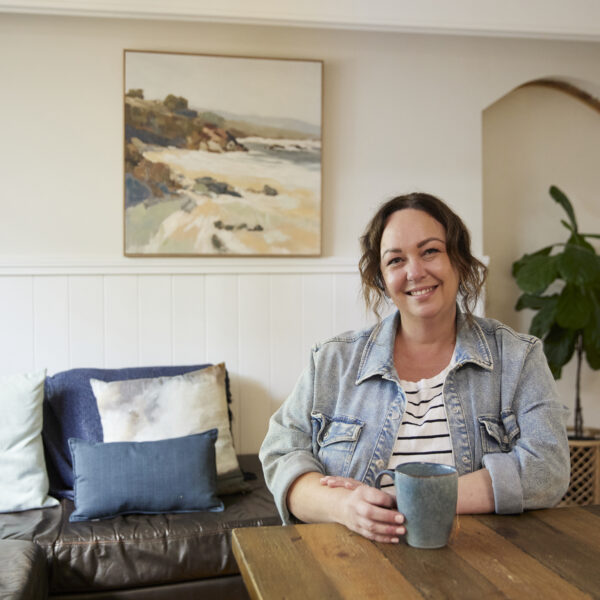
Lyn’s tips on talking periods across 2 households

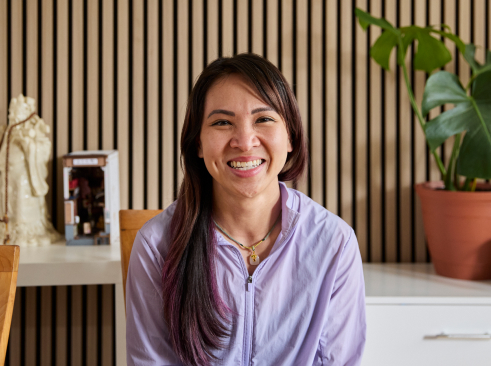
‘Talk to your kids like you’re telling them how to put on socks and shoes’ – Lily’s story on talking periods
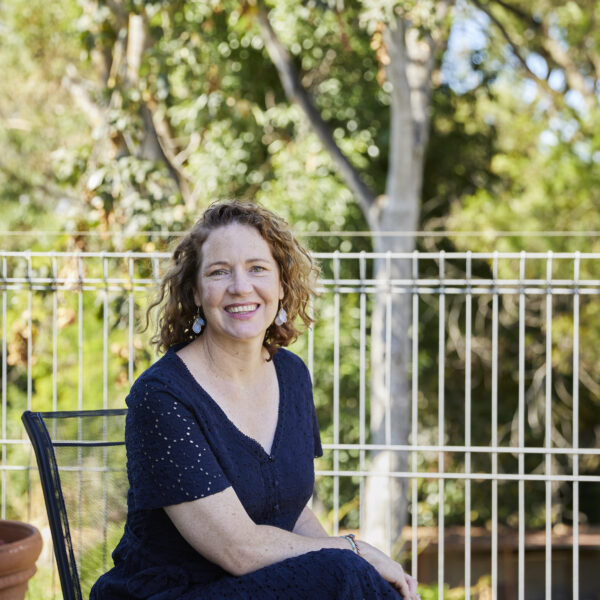
Tackling the ‘period talk’ with neurodivergent and non-binary kids – Bianca’s story
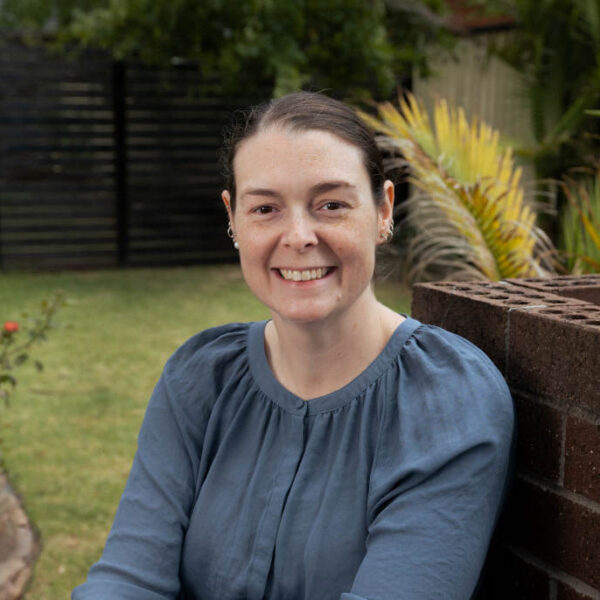
Periods are ‘women’s business’, but they affect the whole family – Rhyannon’s story
Mary and Ruby talk periods
Ruby and her mum Mary share the experiences of their Syrian family, where periods were often considered too private to discuss openly.
Early feelings of embarrassment became more open and supportive conversations over time.
Watch the video or read Ruby’s story here.
Video is in Arabic with English subtitles.
PMS – fact versus fiction
Talking period care with teenagers

Let’s talk periods with boys too

You don’t know what you don’t know. Test your period knowledge today.
Understanding your knowledge gaps is a great way to start.
Period product explainers
There are many different types of periods products to choose from. Learn more about period products, including how to use them, how often they need to be changed and how to dispose of them.
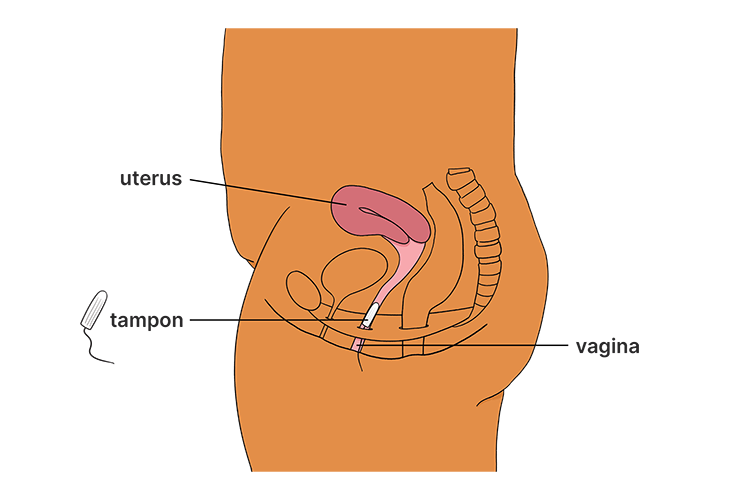
Tampons are absorbent ‘plugs’ that you insert in your vagina to absorb your period blood. They come in different sizes and are made of cotton or a combination of cotton and a synthetic material.
Some people worry about the risk of toxic shock syndrome (TSS) when using tampons. TSS is a rare but very serious bacterial infection. You can reduce the risk of developing TSS by using tampons safely.
Symptoms of TSS include:
- feeling unwell, like you have the flu
- headache
- muscle pain
- fever
- chills
- vomiting
- diarrhoea
- a rash.
If you use tampons and have these symptoms during or after your period, get medical help straight away.
How to use tampons safely
It’s very rare to get toxic shock syndrome from using tampons, but to be safe:
- always wash your hands before and after using a tampon
- use a clean, new tampon every time
- choose a tampon that suits your period flow (e.g. a light tampon for light flow and super tampon for heavy flow)
- change your tampon every 4 to 6 hours, or more often if needed
- never leave a tampon in for longer than 8 hours
- speak to your doctor about using tampons if you’ve recently had a baby, miscarriage, abortion or reproductive health procedure.
You can put used tampons in a rubbish bin or sanitary bin. Don’t flush them down the toilet.
Pads are made of absorbent material and come in a range of thicknesses and shapes. Pads have a sticky side, and some have ‘wings’ to hold them in place in your underwear.
Pads are sometimes made from a combination of synthetic and natural materials, and they may be scented. If pads irritate your vulva, try 100% cotton, scent-free pads.
Your pad might need to be changed every 3 to 4 hours on the heaviest day of your period. You can put used pads in a rubbish bin or a sanitary bin. Don’t flush them down the toilet.
Reusable pads are made of washable fabric and can be used instead of disposable period pads. They are usually made of absorbent fabric such as cotton or bamboo, with a waterproof lining.
Just like disposable pads, they come in different shapes and sizes. They don’t have a sticky side, but they do have ‘wings’ that can be fastened with clips or Velcro.
Reusable pads can be worn with your usual underwear. You can wash them by hand with soap and water or in the washing machine.
Period underwear has layers of fabric that can absorb your period. You can use period underwear alone or in combination with other menstrual products.
Period underwear comes in a range of thicknesses and styles.
It’s recommended you change your period underwear every 12 hours. You can wash and reuse this underwear.
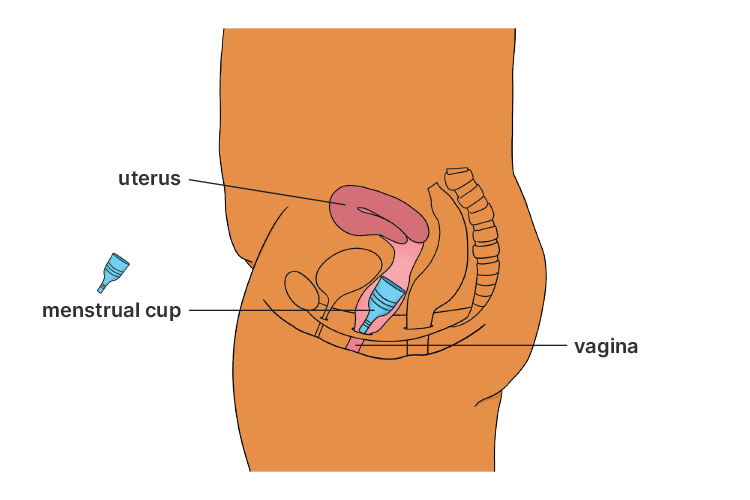
Menstrual cups can be inserted in your vagina to collect blood. They use suction to stay in place.
The cups are made from rubber or silicone. They’re reusable and more environmentally friendly than other products.
They come in different shapes and sizes to suit your body and your periods.
Menstrual cups should be washed in soapy water every 8 to 12 hours (depending on the brand), or when full. You should also wash your menstrual cup before inserting it, and boil it before and after each period.
There have been a very small number of cases of toxic shock syndrome in people who have used a menstrual cup. But more research is needed to understand the risks.
It’s recommended you read the instructions before you use a cup for the first time.
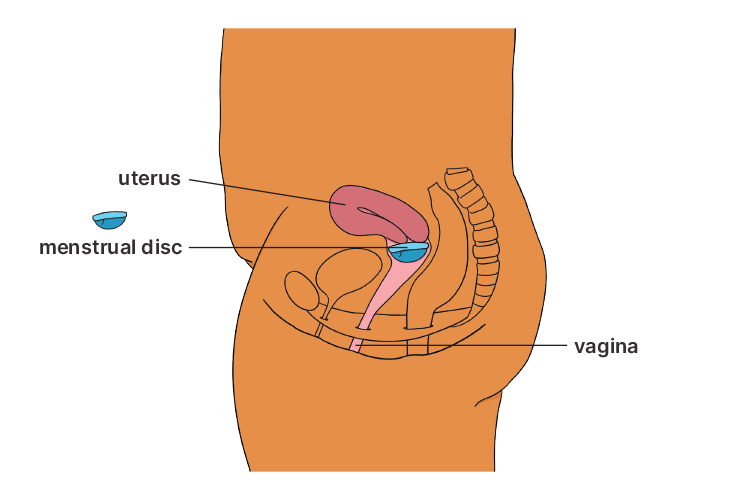
Menstrual discs can be inserted in your vagina to collect blood. The disc sits inside the widest part of your vagina, at the base of your cervix.
They are made from plastic, silicone or rubber. They come in different shapes and sizes and can be single-use or reusable.
Discs should be changed at least every 12 hours. You should wash your menstrual disc before inserting it and boil it before and after each period.
It’s recommended you read the instructions before you use a disc for the first time.
Explore more
Periods are part of the menstrual cycle. The menstrual cycle is a natural process in the female reproductive system. It repeats every cycle from your first period to your final period.
Talking Periods toolkit
This kit is a practical resource to help community leaders and supporters bring the Talking Periods campaign to life.
Recommended reading from our community supporting partners



Raising Children Network
Free, trusted, and expert-backed information that helps children and parents thrive.
Share the Dignity
Ensuring no one has to face their period without dignity, especially during times of hardship. Through partnerships, product distribution and community initiatives, Share the Dignity works to achieve menstrual equity across Australia.
Multicultural Centre for Women’s Health
We advocate, and educate to strengthen the health, wellbeing, safety and leadership of migrant and refugee women in Australia.
Royal Children’s Hospital
Kids Health Info is designed to help you support your child to thrive. Created with experts at The Royal Children’s Hospital, Kids Health Info includes digital fact sheets, videos, podcasts and social media content.
Federation of Ethnic Communities Council of Australia (FECCA)
FECCA is the national peak body representing people from culturally and linguistically diverse backgrounds.
Community Hubs
Community hubs build social cohesion in Australia. They are welcoming places where families from diverse backgrounds, particularly mothers with preschool children, come to connect, share and learn.
Australian Multicultural Women’s Alliance (AMWA)
The Australian Multicultural Women’s Alliance (AMWA) is the national voice for multicultural women. We advocate for gender equity, representation, and inclusion across all facets of Australian society.
Health information in your language
We work with our translation partners and community groups to make sure this information is accurate and up to date.