












-
Related Topics
-
Read time:4 min
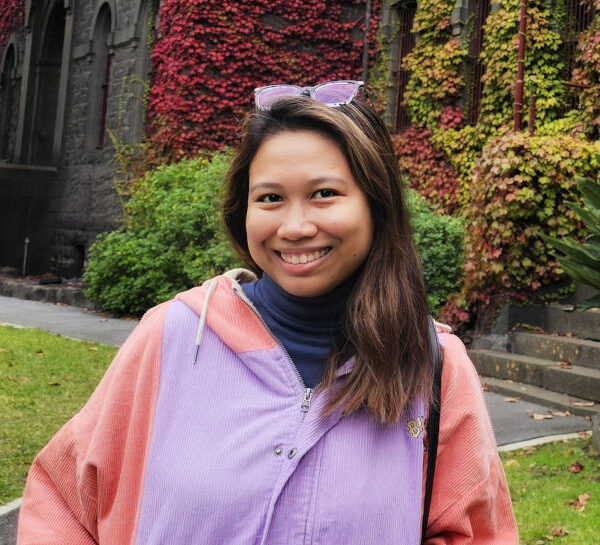
Ruby grew up in a close Syrian family, where some topics were considered too private to discuss openly and women’s menstruation was rarely spoken about. Now living in Australia and working as a clinical psychologist with culturally diverse communities, Ruby reflects on how conversations about menstruation and women’s health have changed.
When I got my first period, I felt embarrassed
I was born and raised in Abu Dhabi in the United Arab Emirates, and there wasn’t any sexual education at school.
I was around 12 or 13 years old when my period first started. We had discussed the matter before and I had some information, so I felt reassured but I also remember feeling a mix of fear, shyness and embarrassment. I was crying and asked my mother for help, and of course she reassured me, but we didn’t go into much detail.
At home, I don’t have clear memories of my mother sitting me down to talk about my developing body or what to expect as I grew into a woman. In our culture, topics related to women’s bodies were often considered private. We sometimes use the word ‘aeeb’, which loosely translates to something being too rude to discuss openly.
It wasn’t that my mother wasn’t supportive. It was more that these conversations simply weren’t part of everyday family life.
Looking back, I don’t think there was anything anyone did wrong. The embarrassment I felt probably came from the wider attitudes around me, where certain topics were simply not spoken about openly. If I could go back in time, I would want to hear my mother’s story about how she got her period, how she felt and maybe go out together once a month to connect and celebrate.
Some things were considered ‘women’s business’
In our family, things related to periods or women’s bodies were usually considered ‘women’s business’.
My father wasn’t involved in those conversations, and even now as an adult I would still feel very uncomfortable talking with him about anything related to my body or sexual health.
That’s something many women from similar cultural backgrounds may recognise.
It’s not necessarily about shame – it’s more about privacy and respect around certain topics.
Over time, it became something we shared
Even though the initial conversation about my period was brief, my mother was supportive in other ways as I got older.
She helped normalise using pads and would often comfort me when I had cramps. She would make cinnamon and sage tea, which became a small ritual between us. Those moments actually became a kind of bonding experience.
It showed me that even when conversations are short, care and support can still be communicated in other ways.
Cultural beliefs also shaped some decisions
The truth is that talking about periods in Syrian society, which is similar to many other Arab societies, is often avoided. People don’t usually talk about the symptoms, changes in the body or why menstruation happens. It’s a topic many people feel uncomfortable discussing openly.
When I was younger, there were also strong beliefs in our community about certain menstrual products. For example, many people believed that using tampons could cause someone to lose their hymen. This belief was shared by friends, family friends among who were GPs, given the value the Arabic culture places on preserving one’s virginity particularly in relation to women. I know now that using tampons has no impact on your virginity.
Conversations between generations can change
Growing up, my mum Mary was always very involved in the Arabic community in Melbourne, and like many families, cultural traditions shaped the way certain topics were spoken about.
Now that I’m an adult, our conversations are much more open than they were when I was younger. We talk about many topics without barriers, including health and wellbeing.
Looking back, I can see that each generation does the best they can with the information and cultural norms they have at the time. What’s important is that those conversations keep evolving.
From my mum’s perspective, those cultural expectations were also something she had to navigate as a parent. When I was growing up, these beliefs were widely accepted in our community and influenced the advice many mothers gave their daughters. I could see that even when my mum wanted to talk to me about periods, some of those cultural norms made her feel embarrassed.
But despite that, she chose to have those conversations anyway. As a parent, her concern for my health and her desire for me to have accurate information always came first.
She wanted me to know that getting your period is something to be proud of – that it’s a natural sign of being healthy, not something to hide.
لم نتحدث كثيرًا عن الدورة الشهرية عندما نشأنا، لكن الأمر يتغير – قصة روبي
نشأت روبي في عائلة سورية مقرّبة، حيث اُعتبرت بعض الموضوعات خاصة جدًا بحيث لا يمكن مناقشتها بصراحة ونادرًا ما يتم الحديث عن الحيض عند النساء. تعيش روبي الآن في أستراليا وتعمل كمتخصصة نفسية سريرية مع مجتمعات متنوعة ثقافيًا، وتفكر في كيفية تغيّر الحوار حول الحيض وصحة المرأة.
عندما أتت دورتي الشهرية الأولى، شعرت بالحرج
لقد ولدت وترعرعت في أبو ظبي في الإمارات العربية المتحدة، ولم يكن هناك أي تعليم جنسي في المدرسة.
كان عمري حوالي 12 أو 13 عامًا عندما أتت دورتي الشهرية لأول مرة. لقد ناقشنا الأمر من قبل وكانت لدي بعض المعلومات، لذلك شعرت بالاطمئنان ولكني أتذكر أيضًا الشعور بمزيج من الخوف والخجل والإحراج. كنت أبكي وطلبت المساعدة من والدتي، وبالطبع طمأنتني، لكننا لم نخض في الكثير من التفاصيل.
في المنزل، ليس لدي ذكريات واضحة عن والدتي وهي تجلس معي للحديث عن جسمي النامي أو ما يمكن توقعه عندما أصبحت امرأة. في ثقافتنا، غالبًا ما كانت الموضوعات المتعلقة بأجسام النساء تعتبر خاصة. نستخدم أحيانًا كلمة “عيب”، والتي تعني بشكل فضفاض شيء فظ للغاية بحيث لا يمكن مناقشته بصراحة.
لم يكن الأمر أن والدتي لم تكن داعمة. الأمر ببساطة أن هذه الحوارات لم تكن جزءًا من الحياة الأسرية اليومية فحسب.
إذا نظرنا إلى الوراء، لا أعتقد أن هناك أي خطأ ارتكبه أي شخص. ربما جاء الإحراج الذي شعرت به من المواقف الأوسع من حولي، حيث لم يتم التحدث عن مواضيع معينة بصراحة. لو عاد بي الزمن إلى الوراء، فسأرغب في سماع قصة والدتي عندما أتتها هي الدورة الشهرية، وكيف شعرت وربما الخروج معًا مرة واحدة في الشهر للتواصل والاحتفال.
بعض الأشياء كانت تُعتبر “أحاديث النساء”
في عائلتنا، كانت الأشياء المتعلقة بالدورة الشهرية أو أجسام النساء تُعتبر عادةً “أحاديث النساء”.
لم يشارك والدي في تلك المحادثات، وحتى الآن كشخص بالغ ما زلت أشعر بعدم الارتياح عند التحدث معه حول أي شيء يتعلق بجسمي أو صحتي الجنسية.
هذا شيء قد تعرفه العديد من النساء من خلفيات ثقافية مماثلة.
لا يتعلق الأمر بالضرورة بالعار – بل يتعلق أكثر بالخصوصية والاحترام حول مواضيع معينة.
مع مرور الوقت، أصبح شيئًا نتشاركه
على الرغم من أن المحادثة الأولية حول دورتي الشهرية كانت قصيرة، إلا أن والدتي كانت داعمة لي بطرق أخرى وأنا أكبر.
لقد ساعدت في جعل استخدام الفوط الصحية شيئًا طبيعيًا وغالبًا ما كانت تواسيني عندما أعاني من تشنجات. كانت تصنع شاي المريمية والقرفة، حتى أصبحت عادةً لدينا. أصبحت تلك اللحظات في الواقع نوعًا من الترابط بيننا.
لقد أظهرت لي أنه حتى عندما تكون المحادثات قصيرة، فلا يزال من الممكن توصيل الرعاية والدعم بطرق أخرى.
كما شكلت المعتقدات الثقافية بعض القرارات
الحقيقة هي أن الحوار عن الدورة الشهرية في المجتمع السوري، الذي يشبه العديد من المجتمعات العربية الأخرى، غالبًا ما يتم تجنبه. لا يتحدث الناس عادة عن الأعراض أو التغيرات في الجسم أو سبب حدوث الحيض. إنه موضوع يشعر الكثير من الناس بعدم الارتياح لمناقشته بصراحة.
عندما كنت أصغر سنًا، كانت هناك أيضًا معتقدات قوية في مجتمعنا حول بعض منتجات الدورة الشهرية. على سبيل المثال، يعتقد الكثير من الناس أن استخدام السدادات القطنية يمكن أن يتسبب في فقدان الفتاة لغشاء البكارة. وقد شارك الأصدقاء وأصدقاء العائلة هذا الاعتقاد، ومن بينهم الأطباء العامون، بالنظر إلى القيمة التي توليها الثقافة العربية للحفاظ على عذرية الفتاة. أعلم الآن أن استخدام السدادات القطنية ليس له أي تأثير على العذرية.
يمكن أن يتغير الحوار بين الأجيال
عندما كبرت، كانت أمي ماري دائمًا منخرطة جدًا في المجتمع العربي في ملبورن، ومثل العديد من العائلات، شكلت التقاليد الثقافية الطريقة التي يتم بها التحدث عن مواضيع معينة.
الآن بعد أن أصبحت بالغة، أصبحت محادثاتنا أكثر انفتاحًا مما كانت عليه عندما كنت أصغر سنًا. نتحدث عن العديد من الموضوعات دون حواجز، بما في ذلك الصحة والعافية.
بالنظر إلى الوراء، أستطيع أن أرى أن كل جيل يبذل قصارى جهده بالمعلومات والمعايير الثقافية التي كانت لديه في ذلك الوقت. المهم هو أن يستمر هذا الحوار في التطور.
من وجهة نظر أمي، كانت تلك التوقعات الثقافية أيضًا شيئًا كان عليها التعامل معه كوالدة. عندما كبرت، كانت هذه المعتقدات مقبولة على نطاق واسع في مجتمعنا وأثرت على النصائح التي قدمتها العديد من الأمهات لبناتهن. استطعت أن أرى أنه حتى عندما أرادت أمي التحدث معي عن الدورة الشهرية، فإن بعض هذه الأعراف الثقافية جعلتها تشعر بالحرج.
ولكن على الرغم من ذلك، اختارت خوض هذا الحوار على أي حال. بصفتها والدة، كان اهتمامها بصحتي ورغبتها في حصولي على معلومات دقيقة يأتي دائمًا في المقام الأول.
أرادت مني أن أعرف أن مجيء الدورة الشهرية هو أمر يدعو للفخر – إنها علامة طبيعية على الصحة، وليست شيئًا نخفيه.
Watch the video – in Arabic with English subtitles
Talking Periods – find out more
Related Articles
Rest doesn’t have to be earned – a First Nations nurse on health, culture and self-care
Emotional wellbeing as you age • 4 min
How I rebuilt my life after acquiring a disability – Hattie’s story
Brain health • 4 min