















-
Related Topics
-
Read time:3 min
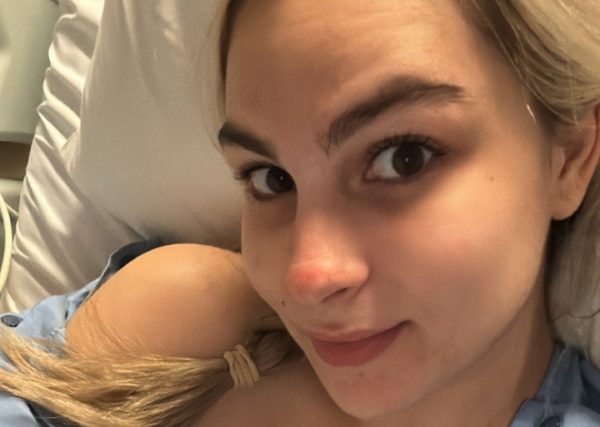
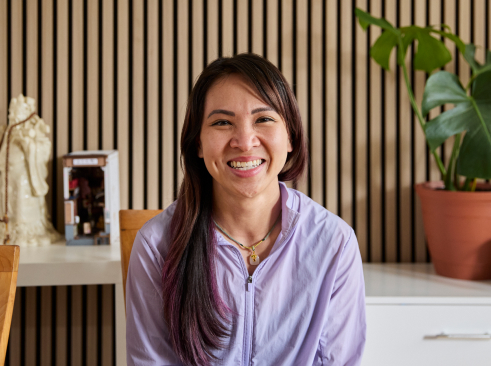
For 38 years, Simonne lived with severe pain during her periods. Raising an autistic daughter has taught her even more about advocating for your health. Here she shares what she’s learned about talking periods, and importantly, what her daughter has taught her.
When I was younger, I wish I’d been able to be a stronger advocate for myself and my health. In my 20s and 30s I didn’t receive great advice for my PCOS or endometriosis. I was told the level of pain I felt was normal. I was gaslit a lot.
Due to my past experiences, and through becoming a mum, I now feel equipped to support my daughter in a way I never was. But something I didn’t expect was how much I would learn from her.
We need to advocate for ourselves
My daughter and I were diagnosed autistic with ADHD at the same time. She was diagnosed at 8 years old, and I was 50.
For me, despite the grief I felt with such a late diagnosis, the past few years have been extraordinary – like a reclaiming of my identity.
It’s a huge privilege to bring up an autistic girl, and my daughter has been the most incredible catalyst in my life. She’s as much an advocate for me as I am for her.
When we talk about periods, we’ve done it in a way that suits her neurodivergent brain and her sense of self. The way my daughter communicates is highly detail-orientated, and I’m the same.
She can sense if you’re dumbing things down or not giving her the whole picture. And when she’s taking in a new concept, this is what she needs. For her, there is a great deal of anxiety in the unknown, so you can’t leave things out or skim over things, even if they might make you feel uncomfortable.
Many neurodivergent kids don’t like hierarchy, which is certainly true for my daughter. She needs to be treated as an equal and wants the facts as they are — especially when it comes to her body. So, we talked openly about periods, found books that explained things well, and she made it her own in her typically quirky, creative way.
She’s not afraid to voice her opinion or her needs. She speaks truth to power in ways I never could as a GenX girl.
I’m deeply grateful for how much she’s taught me about advocating for myself as a neurodivergent woman in the world.
Unlearning is a process too
When it comes to going through puberty, I do feel like boys have it better than girls in our society. For boys, it’s more celebratory – more of a rite of passage. For girls, it’s still hidden and stigmatised. I want that to be different for my children.
My daughter has had a lot of support in learning how to position and celebrate her identity as an autistic girl, and I can see her thinking about how puberty might fit into that.
It’s OK to have fun
I know my daughter is nervous about her period coming when she’s still quite young. She doesn’t want it to come yet, but it is around the corner, so, we’re very open about it, with the aim of destigmatising periods and puberty.
Periods and period education are all visible in our household. We have fun with it too. There’s nothing better than bringing a bit of dopamine along for the ride for an ADHD brain!
Getting your period doesn’t have to be stressful, hidden, or scary. It can be something to look forward to.
My daughter is throwing me an end-of-period party – I’ve just had a hysterectomy. And I’ll be throwing her a start-of-period party. We’ve got lots of ideas for it.
We’re going to make a crown out of tampons, and she’s looked up all sorts of games you can play.
My advice for parents of neurodivergent kids is to talk to your child about what they might want to celebrate. And don’t forget to honour yourself and what you might have been through in the process.
Related Articles
Lyn’s tips on talking periods across 2 households
Periods • 3 min