













-
Related Topics
-
Read time:4 min
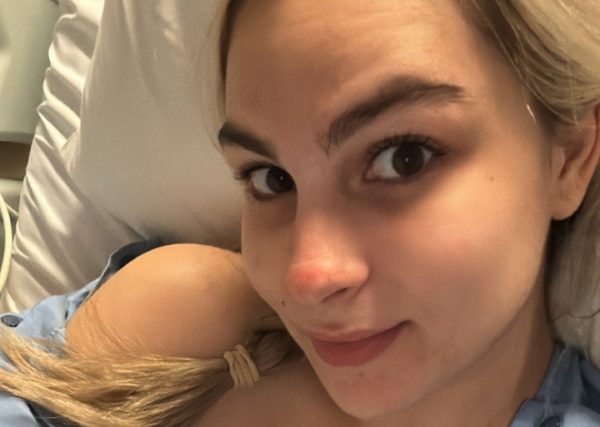
Rhyannon is a proud Dja Dja Wurrung woman, lawyer and parent of two young children. Here, she reflects on how periods were talked about growing up, the role of culture and community, and why open conversations matter across generations.
Getting my first period caught me off guard
I got my first period when I was around 13 years old. That’s a fairly typical age, but it still caught me off guard. I was one of the younger people in my class and most of my friends had already started their periods, so I knew it was something that would happen eventually.
But when it did happen, it was at school, which made the whole experience feel stressful and embarrassing. I had to go to the front office and ask for a pad, and I didn’t really know how to use one because I had never used one before. It felt a bit like being thrown in the deep end.
Growing up, periods had been normalised in my household in the sense that I knew they existed. I knew my mum had a period and that it was a natural part of life, but we hadn’t really talked about the specifics or the practical side of things.
So when it happened, I understood what was going on, but I didn’t necessarily feel well equipped for it.
Looking back, it was a mix of emotions. I felt embarrassed because it happened at school. And I also felt a bit shocked because I wasn’t expecting it at that moment. But there was also some relief, because I had been very emotional in the week leading up to it and didn’t really understand why. Realising those feelings were likely connected to my period starting helped everything make a bit more sense.
In community, periods were mostly ‘women’s business’
In First Nations communities there has traditionally been a distinction between men’s business and women’s business.
Periods generally fall within women’s business, so conversations about them would mostly happen between women – mothers, aunties and other women in the community.
Men might know that periods happen, but they wouldn’t necessarily be involved in those conversations in any detailed way.
At the same time, I think there’s room for more openness around the topic. While periods are experienced by women, they affect the whole family and the wider community.
When people feel comfortable talking about it, it helps create understanding and support rather than misinformation, embarrassment or stigma.
Fathers still have an important role
From my dad’s perspective, he mostly heard about my first period after the fact.
Even though he didn’t have firsthand experience of periods, I could see that he believed fathers still have an important role to play. He often said that while periods happen to women, they can affect everyone in the family.
Growing up, it meant a lot to know he didn’t shy away from the topic. Instead, he saw it as something dads should talk about openly, including with their sons, so they understand what’s happening and can be supportive of the women and girls around them.
Looking back, I wish I’d known the practical things
When I think back on those early conversations about periods, I think they were helpful in the sense that I knew what a period was.
I wasn’t frightened that something was wrong with my body when it happened. But I do wish we had talked more about the practical side of things. For example, knowing how to use a pad or understanding the different menstrual products available would have made a big difference.
Even something as simple as having a small ‘period kit’ in my school bag would have helped. That way, when my first period started at school, I could have quietly gone to the bathroom and dealt with it myself rather than having to go to the front office and ask for help.
Those small practical things can make a big difference for young people navigating their first period.
Starting conversations early makes a difference
Now that I’m a parent myself, I think a lot about how these conversations happen within families.
I’ve already started talking with my kids about periods.
My daughter is only 5, but she’s already curious about things like pads and how they work. Even though it’s not something she needs to worry about yet, I think those early conversations help make the topic feel normal.
I also have a son, and it’s important to me that he understands periods too. One day he may have a partner or family members who experience periods, and I want him to feel comfortable supporting them.
For me, the key is starting those conversations early, using age-appropriate language and making sure the topic doesn’t feel secretive or shameful.
Making period conversations part of everyday life can help change the experience for the next generation.
Periods might traditionally have been considered women’s business, but understanding and supporting each other benefits everyone in the family and the community.
Related Articles
Lyn’s tips on talking periods across 2 households
Periods • 3 min