















-
Related Topics
-
Read time:3 min
Many people raise children together after separation and want to create consistency for their kids, particularly while they navigate challenges.
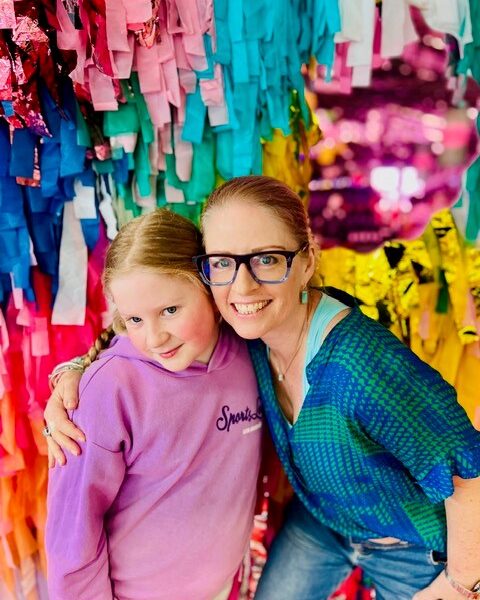
Here, Lyn shares what she has learned about co-parenting during her daughter’s first period.
I have a 10-year-old daughter. Her dad is Australian and I’m Malaysian, so she isn’t just raised across 2 households, but also 2 cultures.
I’m aware that she gets information from lots of different places and that it might be different in different contexts. So as much as possible, I try to make the info consistent for her between 2 houses.
Breaking the taboo
I didn’t grow up talking about periods and I wanted that to be different for my daughter.
I grew up in Borneo. It is still very much a place where parents don’t talk to their kids about periods. Most parents just let it happen and leave the kids to figure it out for themselves.
Teachers don’t talk about the topic either. We don’t have education in schools where they talk about it. It’s seen as taboo.
When I asked my mum any questions about periods, she would just say, ‘That is what happens when you become an adult.’ That’s all she said.
So it’s a bit different now I’m a mum. I feel like I need to provide my daughter with as much information as I can and help her to navigate this.
When it was time, we sat down together, but I also spoke to my ex-husband.
Creating consistency across households
I felt prepared at my house, but my daughter ended up having her first period when she was at her dad’s house.
He called me and I asked him, ‘Do you have pads at home?’ He said no, he hadn’t bought them yet.
I needed to explain the different types of pads to him and that young girls might prefer a pad with wings that’s easier to use.
A lot of my friends have had similar calls from their ex-husbands asking them, ‘What should I do?’
I had already bought my daughter some period underwear. They are so handy to pack into a bag if your child is moving across houses.
The period underwear was great because I couldn’t show her how to use a pad in that moment.
Later, I talked to my ex-husband to make sure she had the same period products in both our homes, so she had that consistency regardless of where she was in the future.
She loves art, so sometimes when she’s going to her dad’s house, I pack crafty things for her to make while she has her period to keep her mind off things.
Sharing the load of conversations
The responsibility of educating everyone about periods often automatically falls to the mum. But my ex needed to know things, like how often pads or period undies need to be changed, so he can help our daughter too.
I was able to explain to him and let my daughter know that she could call me as well.
It’s important to repeat the information for your child, but also for your co-parent.
It’s good to talk about things together and to take it slowly, bit by bit. We can talk to her before bedtime or when we are driving to school or between houses.
As well as the practical conversations, I found it also helped to talk about the emotional symptoms that can come with periods. We talked about how she might feel and how it could affect her mood and feelings too.
One time she had her period and she told us she felt ‘broken’. Because she loves colours, I told her, “Always remember, wherever you are, if you ever feel broken, even broken crayons are still colourful.”