

















-
Date added:June 24 2025
-
Read time:3 min
New national data highlights the need for better public health education for women aged 45 to 50.
Women in midlife are often overlooked in public health initiatives designed to improve contraception knowledge and use, and it’s a gap with broader consequences.
Findings from the 2024 National Women’s Health Survey (NWHS), conducted by Jean Hailes for Women’s Health in collaboration with the SPHERE Centre for Research Excellence, reveal that only around half of Australian women aged 45 to 50 have good overall knowledge about contraception. While many are familiar with condoms and the pill, far fewer understand long-acting reversible contraceptives (LARCs), such as intrauterine devices (IUDs) and contraceptive implants, which are the most effective forms of contraception.
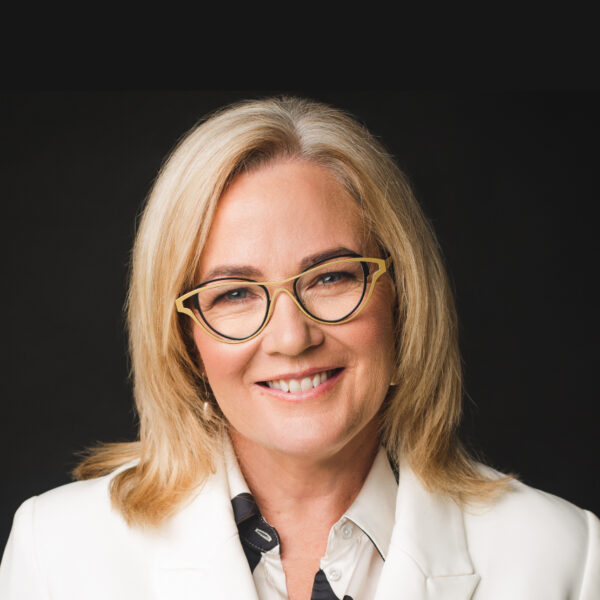
Jean Hailes for Women’s Health CEO Dr Sarah White says this knowledge gap needs urgent attention, not only because contraception is still relevant for women in midlife, but because this group often acts as a trusted source of information for younger women.
“Women aged 45 to 50 are often left out of public health campaigns about contraceptives, despite the fact that pregnancy is still possible until menopause and some contraceptives can also help manage menopausal symptoms,” Dr White said.
Equipping midlife women with better knowledge is also a missed opportunity to support younger women, says Dr White, as previous research commissioned by Jean Hailes shows that nearly half of Australian women aged 18 to 25 ask their mother for information about contraception.
“We know that many younger women turn to their mothers for information about sexual and reproductive health, including contraception, so it’s important that midlife women are supported with accurate, accessible information.”
However, Jean Hailes warns against placing the responsibility for educating younger women solely on their mothers or midlife women.
“While women often play an important role in passing on health knowledge to the next generation, they shouldn’t be expected to be responsible for doing so – that’s where health professionals, schools and public health systems must step up,” Dr White said.
“The recent Senate inquiry into barriers to sexual and reproductive healthcare in Australia also called for better education around contraception, but the needs of midlife women are often left out of the conversation.
The 2024 NWHS found that:
- Fewer than 3 in 10 midlife women said they know “a lot” or “everything” about IUDs, implants, injections or vaginal rings.
- Only 2 in 10 correctly identified IUDs as the most effective method of contraception.
- Just half could correctly answer questions about the emergency contraceptive pill or how long the vaginal ring can be used.
Jean Hailes is urging governments and public health organisations to include women in midlife as a key target audience in sexual and reproductive health education campaigns, both to support their own health and to help close generational knowledge gaps.
For media inquiries and to organise an interview with Dr White, please contact media@jeanhailes.org.au.