
















-
Related Topics
-
Date added:March 26 2026
-
Read time:3 min
Whether it’s pain, itching or a new lump, lots of changes can happen to your vulva – and they’re worth getting checked out. But vulval health can be hard, embarrassing or even scary to talk about.
Here, 2 vulval health experts share their tips to help you overcome any anxiety and get the most out of your health appointments.
Get to know your vulva
Vulvas come in different sizes, shapes and colours and the more familiar you are with your vulva, the easier it is to talk about.
“Getting to know what is normal for you makes it easier to pick up changes that might need to be checked by a doctor,” explains GP and sexual health expert Dr Sara Whitburn.
Unfortunately, she adds: “Not many women know what is normal for them.”
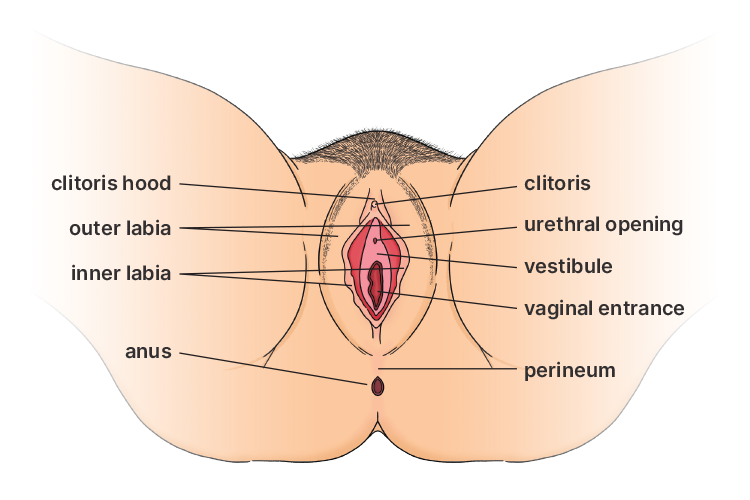
The vulva is the external part of the female genitals that you can see. It includes the outer and inner labia and vaginal entrance. Learn more about the vulva.
To get to know your vulva, Dr Whitburn recommends feeling it when you’re in the bath or shower. “You could also look at it when getting dressed or check your undies for unusual discharge when going to the toilet.
“If at any point your vulva feels different, it’s important to do a self-check.”
Use our step-by-step guide to check your vulva and tell your doctor if you notice any changes.
Don’t delay your appointment
As a dermatologist, Dr Tanja Bohl has seen shame, embarrassment or fear stop many women from getting help early for vulval issues.
“It’s important to remember that vulval changes happen,” she says. “Many are treatable [and] some are completely normal.”
But, she adds, it’s impossible to be sure what’s going on unless you get checked out.
Dr Bohl, who is a vulval health expert at the Jean Hailes Clinic, says if you notice a change, visit your doctor.
Adds Dr Whitburn: “Anything out of the ordinary that might be painful, itchy, hard, lumpy, sore or just not ‘normal’ for you” is worth getting checked. “It might be a new lump, ulcer, cut or rash; new or changing freckles or moles; soreness; itchiness; unusual bleeding or unusual discharge.”
Look for a doctor you feel comfortable with
This is your appointment, so it’s important that you feel as comfortable as possible.
Dr Bohl recommends looking for a doctor with an interest in women’s health and booking a longer appointment.
You can also take a trusted friend or family member with you into the consultation if that will help put you at ease, she adds.
“If at any point you don’t feel comfortable, you can back out of the consultation,” she says.
Take a vulval diagram
Using a vulval diagram may help when it comes to describing the change to your vulva.
“You might even like to print it out and say, ‘It’s here’, as you point to the affected area on the diagram,” says Dr Bohl.
If you don’t know the exact location of the change or the medical words to use, that’s OK, she adds. Just give your doctor as much information as possible.
Know what to expect
To help prepare for your appointment, think about the questions your doctor may ask. Dr Bohl says that when she sees patients with vulval concerns, she normally asks:
- What brought the change to your attention?
- For how long have you noticed it?
- Is it painful?
- Has it changed?
- Have you noticed any bleeding besides your period?
It’s also important your doctor does an examination. This means they may gently touch your vulva, look at the spot you’ve described and check the surrounding area, explains Dr Bohl.
If you don’t feel comfortable, you can ask them to stop.
Remember, your voice matters
To get the most out of your appointment, try to explain what is worrying you, says Dr Bohl.
“Point it out because your doctor needs to be guided as to what’s happened.”
At the end of the day, she adds: “Women need to know that their input is vital.”
Related Articles

Cognitive behavioural therapy helps women with endo pain, study shows
Endometriosis • 5 min