Health information for Aboriginal and Torres Strait Islander women.
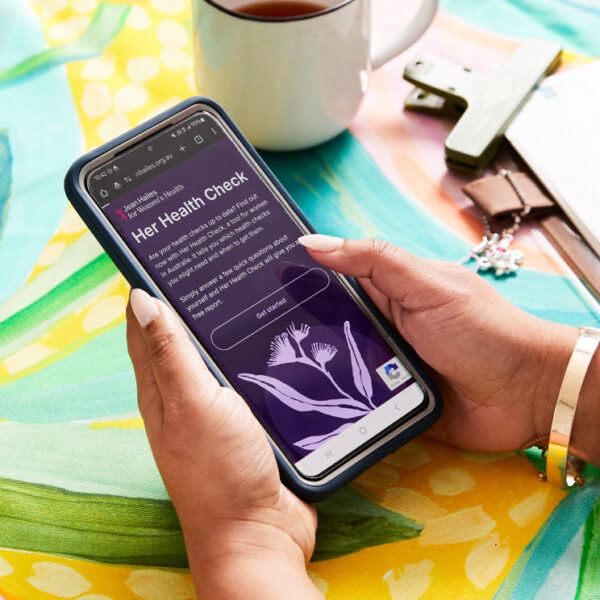
Find out which health checks you may need and when to get them today.
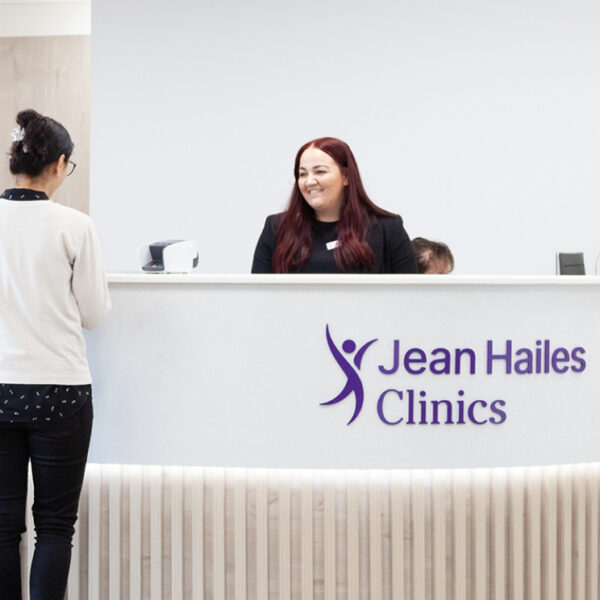
Our Melbourne CBD clinic provides specialist women’s healthcare services.
Our free, expert-developed, online menopause courses are designed to boost your confidence and meet your CPD requirements.
We’ve partnered with the Multicultural Centre for Women’s Health and IndianCare to better understand the experiences of Arabic, Punjabi and Vietnamese women when it comes to contraception and women’s health care.
The research, which builds on insights from our 2024 National Women’s Health Survey, highlighted significant systemic barriers faced by women from migrant and refugee backgrounds, including complex health systems, language barriers and the high cost of services. In addition, women have significant concerns about side effects of contraception, in particular long-acting reversable contraception (LARC) such as the contraceptive implant and intrauterine device (IUD).
These findings reinforce the need for culturally appropriate, accessible health information and education that empowers all women to make informed decisions about their health.
This report is one of a series from the 2024 National Women’s Health Survey, a representative survey of Australian women aged 18 to 50 years old. The Australian Government Department of Health, Disability and Ageing has funded Jean Hailes for Women’s Health to conduct the annual National Women’s Health Survey since 2017.
This information has been reviewed by clinical experts and is based on the latest evidence.
Our content review process ensures our health information is accurate, trustworthy, current and useful.
We regularly check our information to make sure it reflects the latest clinical guidelines and key findings from large, reliable studies.
Where possible, we focus on Australian research to make our information more relevant locally.
Experts play a key role in reviewing our content. Clinicians at Jean Hailes check information for accuracy and real‑world relevance. These include GPs, gynaecologists, endocrinologists, psychologists and allied health professionals.
We also work with partner organisations, independent specialists and people with lived experience to make sure our content reflects both expert knowledge and the experiences of the community.