















-
Read time:4 min
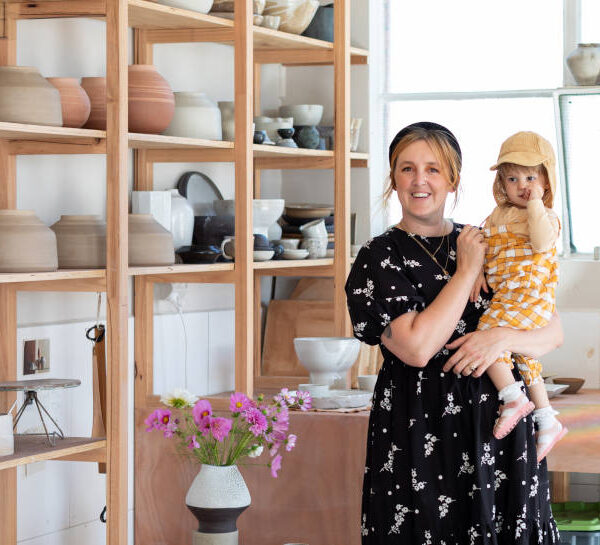
Jill experienced a unique collision in midlife – her son hitting puberty while her own body was changing. Finding the right care and backing herself helped the 55-year-old move through perimenopause on her own terms.
I had my son at 40, so by the time I was going through perimenopause, he was heading into puberty. Navigating hormonal changes from both sides of the house at the same time was a challenge I never saw coming. My son started high school amidst the chaos of the pandemic. It was a lot to manage – emotionally, physically, and mentally. I was also working in a high-powered job at the time, carrying all the pressures that come with that kind of role.
Flexibility gave me control
Working from home had helped me manage things, particularly because I could pace myself and build in breaks when I needed them. But when we were asked to return to the office, things became more difficult.
I tried to have an open conversation with my manager about what I was going through. But he was younger and male, and it was difficult talking to him about menopause. Still, I tried. I outlined what I needed to continue in my role, only to have him be completely unwilling to give me any flexibility.
After much internal debate and struggle, I decided to be brave and take a leap. I left that role and moved into working as a consultant. It’s given me more control over my time, my energy and my health.
At the time it was a big shift and a very scary move, given I have always been the major earner in our family. My husband and I describe it as a crazy experiment, going into casual work in my fifties and making it work.
Now I see it as one of the best decisions I’ve ever made.
Finding the right support
When it came to managing changes in my body, I felt dismissed in any early appointment with a private gynaecologist. I was dealing with severe ovulation pain. It felt sharp, intense, and out of the blue – and I needed answers. But instead of being taken seriously, I was told it was just ‘general pelvic pain’ and advised to do some stretches. That was it. I felt completely dismissed.
Even my GP, right at the start, asked if I was suffering from hot flushes and a feeling of ‘ants crawling’ on my skin, because those are the classic symptoms, but there is so much more to perimenopause. As I was still getting regular periods, I didn’t automatically connect some of my symptoms to being part of the menopause journey.
Finally, I was fortunate to find a doctor who listened to me. She explained that the ovulation pain I’d been experiencing was due to scar tissue, and the egg releasing through that scar tissue during ovulation. For the first time, things made sense.
There needs to be more awareness of the range of symptoms that perimenopause can bring, affecting many systems in your body. Looking back, I realise how important it’s been to find the right support. Not everyone is able to find it – but when you do, it changes everything.
Keep asking questions
Finding the right care can take time, and a lot of persistence, but there are good clinics out there. There are health professionals who will listen, investigate properly, and treat you with the care you deserve. Navigating your way to that support can be frustrating and exhausting, but it’s worth it.
I want other women to know they’re not alone, and that it’s okay to keep asking questions until you find the right answers. I hope that in the future there will be as much education and understanding for menopause as we have for adolescence.
It’s a significant period of change for us emotionally and physically as well, and a little understanding can make a huge difference for families navigating changes together.
Related Articles
Rest doesn’t have to be earned – a First Nations nurse on health, culture and self-care
Emotional wellbeing as you age • 4 min

How I rebuilt my life after acquiring a disability – Hattie’s story
Brain health • 4 min