
















15 languages available
-
Reviewed
For the most up to date information on this topic, please visit jeanhailes.org.au
Key takeaways
- PCOS is a hormonal condition that can affect your physical and mental health.
- Common symptoms of PCOS include irregular or absent periods, excess hair, weight gain and pimples (acne).
- Treatments depend on your symptoms. They may include lifestyle changes, hormone medicines and over-the-counter products.
- If symptoms of PCOS impact your mental health and quality of life, see your doctor.
Sections on this page
Key takeaways
- PCOS is a hormonal condition that can affect your physical and mental health.
- Common symptoms of PCOS include irregular or absent periods, excess hair, weight gain and pimples (acne).
- Treatments depend on your symptoms. They may include lifestyle changes, hormone medicines and over-the-counter products.
- If symptoms of PCOS impact your mental health and quality of life, see your doctor.
What is PCOS?
PCOS is a lifelong condition related to imbalances in a woman’s hormones and metabolism. It’s a common but underdiagnosed condition.
PCOS is complex, with many potential causes that aren’t well understood.
The condition impacts many aspects of women’s physical and mental health.
The name polycystic ovary syndrome suggests a problem with ovarian cysts. But PCOS is a condition where polycystic ovaries have more immature follicles (small sacs with eggs) than usual.
The main features used to diagnose PCOS include:
- irregular or absent periods
- polycystic ovaries
- high levels of androgens.
What are androgens? Androgens are hormones involved with the development of male characteristics, for example, facial hair.
Common symptoms of PCOS
PCOS symptoms can be different for everyone. And symptoms may change over a person’s lifetime, especially during puberty and menopause. PCOS symptoms can lead to a lower quality of life for many women.
We’ve listed common symptoms of PCOS below.
With PCOS, you may have periods more often, less often or not at all.
It’s normal to have irregular cycles for the first year after you start having periods, and during perimenopause.
A PCOS diagnosis is often missed until after adolescence because normal changes that happen at that time, like irregular periods, make it hard to detect.
Learn more about how to treat and manage irregular periods.
PCOS can cause excess hair growth on your face and body. The hair is usually thicker and darker than normal. It may grow on the:
- chest
- stomach
- back
- upper arms
- thighs.
PCOS can cause scalp hair loss in a male-like pattern (hair that recedes at the front and thins on top).
With PCOS, you may have:
- pimples (acne)
- dark, velvety patches of skin.
Anxiety and depression are common symptoms of PCOS. This could be due to hormonal changes, but more research is needed to understand how certain hormones affect mental health.
It can be hard to manage your weight when you have PCOS, and you may gain weight with this condition.
Learn more about how to achieve and maintain a healthy weight.
It’s common for PCOS symptoms, for example, excess body hair and weight, to cause self-esteem and body image issues. This can be distressing, especially if you don’t know where to get support.
In this short video, psychologist, Dr Leah Brennan, talks about common experiences for women with PCOS, including anxiety, depression and body image.
For more information about body image, visit the Butterfly Foundation website.
PCOS can cause infertility or delays in getting pregnant. It can also increase the risk of complications during pregnancy.
Do you have PCOS?
Use this PCOS checklist to track your symptoms. Take it with you when you visit your doctor.
-
Download the PCOS checklistViewPDF • 114 KB
Causes of PCOS
PCOS is diagnosed based on a common set of symptoms. It’s a complex condition, that’s influenced by genetic, environmental and behavioural factors.
With PCOS, hormonal changes and ovarian changes influence each other, and it’s not clear which one comes first.
Although the way PCOS works is not fully understood, it’s thought a range of dysfunctional processes cause different physical and psychological symptoms.
Risk factors for PCOS
Some risk factors for PCOS can’t be changed, such as genetics.
Risk factors that can be changed include:
- smoking
- exposure to pollution
- high calorie diets
- limited physical activity
- obesity.
Some co-occurring conditions, such as insulin resistance, could also be considered risk factors for PCOS.
But having these risk factors doesn’t mean you will develop PCOS. Learn more about how physical activity and diet can help improve PCOS symptoms.
Can you prevent PCOS?
There’s no proven way to prevent PCOS, but there are many things you can do to lower the risk of PCOS or improve some symptoms.
Getting a diagnosis for PCOS
Although PCOS is common, diagnosis is often missed or delayed because:
- it’s a complex condition
- symptoms can be different for each woman
- there have been different ways to diagnose the condition in the past.
If you think you have polycystic ovary syndrome (PCOS), it’s important you see your doctor. They can help coordinate your care and refer you to specialists where needed.
An early diagnosis and support from a team of specialists can help manage the symptoms of PCOS and reduce the risk of long-term health problems.
If you have PCOS symptoms, see your doctor. They will review your medical history and check for symptoms including:
- irregular periods
- acne
- excess body hair
- alopecia.
Your doctor or specialist may ask you to get a blood test for anti-müllerian hormone (AMH) levels. A blood test or ultrasound is only needed if symptoms are unclear.
An ultrasound on your belly or via your vagina (if you are sexually active) checks the number of follicles in each ovary. Having 20 or more follicles in each ovary is a sign of PCOS.
Ultrasounds are not usually recommended for women under 20 years of age.
To diagnose PCOS, other conditions that can cause similar symptoms need to be ruled out. For example:
- thyroid disease
- stress
- eating disorders
- ovarian tumours.
Your doctor will check for these by reviewing your medical history, doing a physical examination and organising some basic blood tests.
It may take time to get a diagnosis of PCOS in teenage years because your periods may not have settled into a regular pattern.
If you have irregular periods and other symptoms of PCOS, see your doctor. If they think you may be at risk of PCOS, they will monitor you for up to 8 years after you start having periods.
Treatments for PCOS
Treatment for PCOS is focused on managing symptoms and risks using:
- education
- lifestyle strategies
- therapies
- medicines.
Your doctor can help coordinate your care and refer you to specialists where needed.
You can make treatment decisions with guidance from your health care team. The focus should be on your priorities and biggest concerns.
A healthy lifestyle can help manage PCOS symptoms and reduce long-term health risks.
Healthy eating and regular physical activity can improve:
- metabolism
- fertility
- emotional wellbeing
- hormonal symptoms
- weight management.
It’s helpful to work with a range of health professionals to make a plan that’s right for you. For example, a dietitian, exercise physiologist and psychologist. You can also use behavioural strategies, such as goal setting, to support lifestyle changes.
There’s no evidence that any specific diet or type of activity is best for PCOS.
Anti-obesity medicines or bariatric surgery could be considered by some women to help manage weight.
Psychological therapy can support emotional wellbeing and a healthy lifestyle.
Risks of abdominal obesity
A good way to assess your health is to check your waist circumference. You can also ask your doctor to check your cholesterol, blood pressure and blood glucose.
To measure your waist circumference accurately, measure yourself without clothing and position a tape measure around your body roughly in line with your belly button.
Breathe out normally, making sure the tape is snug but not too tight, and take the measurement.
The recommended waist circumference for adult women is 80 cm or less.
Measuring your BMI
Body mass index (BMI) is another way to measure a healthy weight. But it doesn’t consider muscle and fat mass or where fat is stored in your body. BMI = weight (kg) ÷ height (m) squared.
Example:
Sally weighs 90 kg and is 1.67 m tall. Her BMI is 32.3
90 ÷ (1.67 x 1.67) = 32.3
- A BMI of 18.5 to 24.9 is classified as a healthy weight.
- A BMI of 25 to 29.9 is classified as overweight.
- A BMI of 30 or more is classified as obese.
The Pill is usually the first choice of medicines to treat symptoms of irregular periods.
Hormonal contraceptives may have some side effects. For example:
- mood changes
- weight gain or loss
- bloating
- sore breasts
- irregular bleeding.
Metformin can be helpful to manage weight, hormonal and metabolic symptoms of PCOS, in combination with lifestyle strategies. Metformin has few serious side effects.
Talk to your doctor about the benefits and risks of taking these medicines before making a decision.
Some women find laser therapy helps with excess hair (hirsutism).
Anti-androgens, such as spironolactone, can be helpful to treat excess hair, in combination with the Pill.
You can also try over-the-counter treatments. For example:
- waxing – for excess hair
- minoxidil (foam or tablets) – to prevent hair loss
- topical creams or gels – to help with acne.
Ask your doctor about the best treatment for you.
Symptoms of PCOS, such as excess hair growth and acne, can impact your mood, self-esteem and body image.
Stress, anxiety and depression are common in women with PCOS. These conditions are often overlooked and left untreated. But mental health is just as important as physical health.
If you have constant and extreme negative thoughts that stop you from doing everyday activities, see your doctor.
They may refer you to a psychologist for support. If therapy isn’t working, talk to your doctor about medicines that may help. It’s important to talk to your health care team about the benefits and risks of taking certain medicines.
In this short video, psychologist Dr Leah Brennan talks about common experiences for women with PCOS, including anxiety depression and body image.
If you have PCOS and are planning a pregnancy, it’s important to have a healthy lifestyle, before conception and during pregnancy, to optimise fertility and lower health risks.
Letrozole is the main medical treatment for infertility in PCOS. Other options include:
- clomiphene (with or without metformin)
- gonadotrophins
- ovarian surgery.
In vitro fertilisation (IVF) may be an option if other treatments haven’t been successful.
Pregnant women with PCOS have a higher risk of complications during pregnancy, although the risk depends on factors such as age, BMI and other health conditions.
More monitoring and support may be needed in some situations.
Healthy eating and regular physical activity can be helpful to:
- manage weight
- improve fertility
- improve health during pregnancy.
Inositol is a supplement that affects insulin. Some studies of women with PCOS suggest it could be helpful for regular menstrual cycles, insulin resistance, and androgen hormone levels but the evidence is low quality.
It’s important to be aware that inositol and other over-the-counter supplements aren’t regulated as strictly as medicines, so the quality, strength, and cost could vary.
Natural therapies should only be prescribed by a qualified health practitioner who is trained in their use. If you choose to use natural therapies, it’s important to tell your doctor so they keep it in mind when prescribing medicines.
How does PCOS affect fertility and pregnancy?
Learn how to improve your chances of becoming pregnant and ways to reduce potential risks during pregnancy.

Can PCOS lead to other health conditions?
PCOS is associated with other health conditions like diabetes and cardiovascular disease. It’s important to understand the risk factors and how to reduce them.

Living with PCOS
Polycystic ovary syndrome (PCOS) can affect your physical and mental health. It may also impact your relationships and sex drive (libido). Find out how to improve your physical activity and diet. You’ll also learn about how PCOS can impact your overall health.

Healthy recipes for PCOS
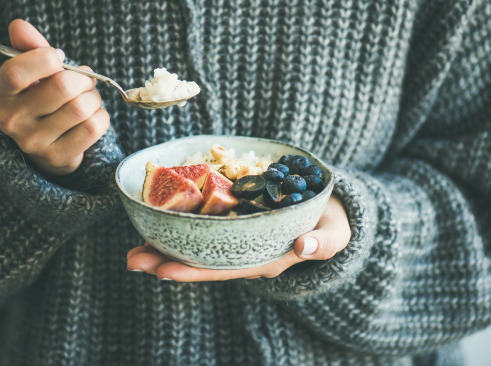
A balanced diet can help you manage PCOS symptoms. Find healthy recipe ideas plus tips to make your food taste delicious.
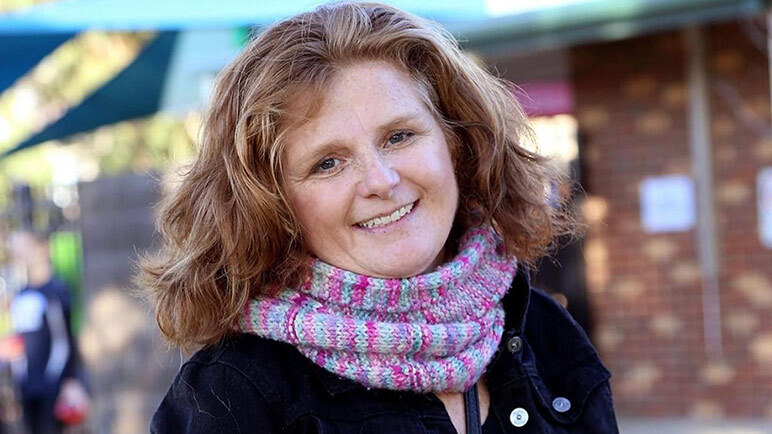
Women talk about their experiences of PCOS
-
Story
Review process
Our review process
This information has been reviewed by clinical experts and is based on the latest evidence.
Our content review process ensures our health information is accurate, trustworthy, current and useful.
We regularly check our information to make sure it reflects the latest clinical guidelines and key findings from large, reliable studies.
Where possible, we focus on Australian research to make our information more relevant locally.
Experts play a key role in reviewing our content. Clinicians at Jean Hailes check information for accuracy and real‑world relevance. These include GPs, gynaecologists, endocrinologists, psychologists and allied health professionals.
We also work with partner organisations, independent specialists and people with lived experience to make sure our content reflects both expert knowledge and the experiences of the community.