


















-
Reviewed
For the most up to date information on this topic, please visit jeanhailes.org.au
Key takeaways
- If you have a burning sensation when you wee, a frequent urge to wee and strong-smelling wee, you might have a UTI.
- UTI symptoms usually go away within a few days of taking antibiotics.
- UTIs can become a kidney infection, so it’s important to see your doctor if you have symptoms.
- UTIs are very common. One in 2 women will get a UTI in their lifetime. And about one in 3 women will have a UTI needing treatment before they’re 24 years of age.
Key takeaways
- If you have a burning sensation when you wee, a frequent urge to wee and strong-smelling wee, you might have a UTI.
- UTI symptoms usually go away within a few days of taking antibiotics.
- UTIs can become a kidney infection, so it’s important to see your doctor if you have symptoms.
- UTIs are very common. One in 2 women will get a UTI in their lifetime. And about one in 3 women will have a UTI needing treatment before they’re 24 years of age.
What is a UTI?
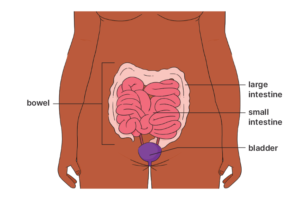
A urinary tract infection (UTI) is a common infection that can affect your:
- bladder (cystitis)
- urethra (urethritis)
- kidneys (pyelonephritis).
The most common type of UTI in women is an infection of the bladder (cystitis).
Symptoms of UTI
UTI symptoms may include:
- a burning sensation when doing a wee
- pain in your lower belly when doing a wee
- pain in your lower back
- weeing more often than usual
- weeing before you can get to the toilet (leaking or incontinence)
- feeling like you need to wee but not being able to
- feeling like your bladder has not fully emptied after doing a wee
- wee that is smelly, bloody, cloudy or darker than normal
- having a fever
- confusion, nausea or vomiting.
If you have a fever and pain in your back (kidney area), see your doctor straight away, as it may be a kidney infection.
What causes UTIs?
UTIs are caused by germs (bacteria) entering the urinary system, usually via the tube that carries wee out of the body (urethra).
This can be due to:
- bacteria going from your anus into your urethra
- bacteria going into your urethra after sexual activity
- wee left in your bladder causing an infection.
Who is at risk?
Some women have a higher risk of getting a UTI. For example, women who:
- are sexually active
- are approaching menopause
- have diabetes
- have urinary incontinence (wee leakage)
- have faecal incontinence (poo leakage)
- have had recent pelvic or vaginal surgery.
A partner is not at risk of catching a UTI during sex. But, your symptoms may make having sex uncomfortable.
How to get a diagnosis
A UTI is usually diagnosed with a urine test. Your doctor will send your urine sample to a laboratory to confirm the infection.
Your doctor may also do a physical examination.
Treatment and management of UTI
There are a few things you can do to treat a UTI.
- keep your body well hydrated by drinking plenty of water each day
- add urine alkalisers to your water to reduce the burning and discomfort
- take the full course of antibiotics (prescribed by your doctor) to clear up the infection.
Symptoms should go away within a few days of taking antibiotics.
It’s important to see your doctor if you have symptoms. If left untreated, UTIs can develop into serious kidney infections.
If you’re pregnant and you think you have a UTI, see your doctor straight away.
Preventing UTIs
You can try different things to prevent UTIs. For example:
- keep your body well hydrated by drinking plenty of water each day
- avoid holding on to your wee for too long
- relax when you go to the toilet and allow time to fully empty your bladder
- wipe from front to back after going to the toilet to avoid transfer of bacteria from your anus to your urethra
- go to the toilet straight after sex to reduce the risk of bacteria going into your urethra
- try to avoid constipation, as this can prevent your bladder from emptying properly.
After menopause, you can try vaginal oestrogen cream, pessaries or tablets to improve vaginal flora and restore PH levels, which may help to prevent UTIs.
Don’t use douches or vaginal deodorants, as they can cause irritation and an unhealthy bacterial imbalance in your vagina.
Your doctor may recommend other treatments, such as long-term antibiotics.
Recurrent UTIs
About one in 5 women will get recurrent UTIs. Recurrent means:
- 2 or more infections in 6 months
- 3 or more infections in a year.
This can happen if your body doesn’t respond to antibiotics. In these cases, reinfection usually happens within the first 2 weeks of treatment.
Risk factors for recurrent UTIs include:
- a history of childhood urinary conditions and surgeries
- a history of UTIs, including childhood UTIs
- having a mother with a history of UTIs
- sexual activity and new sexual partners
using spermicides, vaginal diaphragms and douching.
Recurrent UTIs may also happen due to:
- pregnancy
- menopause
- blockage of the urinary tract
- your bladder not fully emptying
- kidney stones
- diabetes that is not well managed
- faecal incontinence (poo leakage).
If you have recurrent UTIs, it’s important to find the cause. This may involve:
- a physical examination to look for abnormalities
- a urine test
- an ultrasound of the urinary tract, or in some cases a CT scan of the kidneys, to check for abnormalities
- a cystoscopy to see inside your bladder.
Persistent (chronic) UTIs
A persistent UTI is when an initial infection, or series of infections, doesn’t fully go away. Persistent UTIs can ‘flare’ and may feel like separate infections. They can be harder to diagnose, as urine tests tend to come back as ‘negative’.
Persistent UTIs can be very painful and severely impact your quality of life. They are often associated with other chronic pain syndromes such as persistent pelvic pain.
Review process
Our review process
This information has been reviewed by clinical experts and is based on the latest evidence.
Our content review process ensures our health information is accurate, trustworthy, current and useful.
We regularly check our information to make sure it reflects the latest clinical guidelines and key findings from large, reliable studies.
Where possible, we focus on Australian research to make our information more relevant locally.
Experts play a key role in reviewing our content. Clinicians at Jean Hailes check information for accuracy and real‑world relevance. These include GPs, gynaecologists, endocrinologists, psychologists and allied health professionals.
We also work with partner organisations, independent specialists and people with lived experience to make sure our content reflects both expert knowledge and the experiences of the community.

Want to learn more about pelvic floor exercises?
Join pelvic floor physiotherapist Janetta Webb on our podcast for simple exercises that strengthen your pelvic floor.