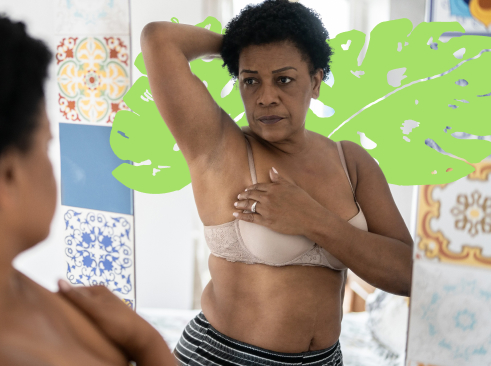
It’s important to have regular health checks to identify health problems early.
You may need different health checks based on your age, risk factors and family history.
If you’re not sure which health checks you need, talk to your doctor.
Why are health checks important?
Health checks can help identify health problems early.
With some health problems, you might not have any symptoms, or you may only notice symptoms in later stages. So, it’s important to have regular health checks even when you feel well.
Which health checks should you do?
You’ll need different health checks throughout your life, depending on your:
your lifestyle (e.g. your diet, weight, physical activity and whether your drink alcohol or smoke).
Your doctor might also recommend an examination and other tests, such as:
a urine (wee) test
a blood test
scans.
Health checks throughout your life
Learn more about important health checks you’ll need at different times in your life.
A bone health assessment helps to work out your risk of osteoporosis. It can involve answering questions about your:
health
family history
calcium and vitamin D intake.
There are different tests to check your bone health. If you have risk factors for osteoporosis, your doctor may give you a referral to get a bone density scan called a DXA scan.
A DXA scan is a special X-ray that measures your bone mineral density. It can also be used to:
confirm a diagnosis of osteoporosis
check how much bone loss has happened
check if treatments for osteoporosis are working.
Your doctor may also ask for blood tests to check your:
calcium and vitamin D levels
thyroid function – problems with your thyroid can lead to osteoporosis.
For most women, bowel cancer screening is recommended every 2 years from the age of 45 to 74.
See your doctor if you:
have a family history of bowel cancer or bowel polyps (small growths)
notice unusual changes, such as blood in your poo or unexpected weight loss.
If you’re aged between 50 and 74, you get a free bowel cancer test kit in the mail every 2 years. From the age of 45 to 49 years, you can apply for a free test kit.
You can do the test at home. Collect 2 tiny samples from 2 different poos and send them in the mail to a laboratory. You and your doctor usually get the results within 4 weeks.
If there are tiny amounts of blood detected in your poo sample, your doctor will recommend a colonoscopy. This doesn’t mean you have cancer. Internal haemorrhoids or polyps in the colon can cause bleeding.
Some types of polyps can develop into cancer over many years, so it’s good to have these checked and removed.
From age 75, talk to your doctor about the benefits and risks of screening.
You may prefer to have a breast cancer screening with a private service provider (outside of the BreastScreen program). You’ll have to pay out-of-pocket costs for this service. Your doctor can recommend a private service provider near you.
When should you have breast cancer screening?
All ages
Tell your doctor if you have a family history of breast or ovarian cancer, or if you notice unusual changes to your breasts.
Aged 40 to 49
You can have a free breast screen every 2 years. Ask your doctor if breast cancer screening is a good option for you.
Aged 50 to 74
You are invited for a free breast screen every 2 years from age 50 to 74. Even if you feel healthy, it’s a good idea to book your breast screen.
From 75 years
Ask your doctor if breast cancer screening is a good option for you. Screening is free for women aged 75 and over without breast cancer symptoms.
You can see a healthcare professional to take a sample for testing, or you may prefer to take your own sample (self-collection) at a health centre or clinic.
If a healthcare professional takes a sample
You’ll need to take off your clothes below the waist and lie on your back with your knees apart. You will be given a sheet to cover yourself.
The healthcare professional will gently insert a speculum (duck-bill-shaped device) into your vagina. Then, they’ll use a small brush to take a sample of cells from your cervix. This might feel strange, but it shouldn’t hurt.
You can ask for a female health professional if you prefer.
If you take your own sample
You’ll need to do this at your health centre or clinic. A healthcare professional will explain how to do the test. You can do it in private or ask them to help.
To collect your own sample:
insert a swab into your vagina
gently move the swab in a circular motion for 10 to 30 seconds – this may feel uncomfortable, but it shouldn’t hurt
remove the swab from your vagina
place the swab back in the packaging provided.
Self-collection is just as safe and accurate as having a healthcare professional take a sample.
If you’re aged between 50 and 70, you may qualify for a lung cancer screening program, depending on your smoking history. Ask your doctor if this is an option for you.
Tell your doctor if you’re experiencing symptoms related to:
You may need an STI check for different reasons. For example, if:
you have symptoms of an STI
a current or previous sexual partner has an STI
you have a new partner, and you want to make sure you’re both
free from STIs before having sex
you’re planning a pregnancy or are pregnant – STIs can impact the health of you and your baby.
If you think you might have an STI, it’s important to see your doctor as soon as possible. An early diagnosis and treatment may reduce your risk of developing more health problems in the future.
Your doctor may do different tests, for example, a blood or urine (wee) test. They may also take a sample (swab) to send to the laboratory for testing.
If you have an STI, your doctor will talk to you about treatment options.
The annual 715 health check is a free check for First Nations people of all ages. It can help you stay strong and healthy. During the health check, a doctor or health worker may:
ask about your health
do some tests
suggest follow-up care if needed.
If you haven’t had a 715 health check, ask your local clinic if it’s available.
It’s important to understand and keep track of key health measures so you can make changes if needed.
High blood pressure is a major risk factor for heart disease. There are 2 blood pressure measures:
Systolic pressure – the pressure when your heart beats while pumping blood.
Diastolic pressure – the pressure when your heart rests between beats.
Normal blood pressure should be less than 120/80 (120 systolic pressure over 80 diastolic pressure).
Have a blood pressure check at least every 2 years from age 18.
You can get your blood pressure checked regularly as part of a heart health check.
Cholesterol is a fatty substance found in your blood. You need cholesterol for your body to work properly, but too much is a problem.
Your liver makes most of the cholesterol in your body. The rest comes from the food you eat.
Cholesterol is made up of:
low density lipoprotein (LDL) cholesterol
high density lipoprotein (HDL) cholesterol.
LDL cholesterol is known as bad cholesterol because it can stick to the arteries and cause cardiovascular disease. When a blood cholesterol reading is high, it usually means LDL levels are high.
You may have higher LDL levels if your diet is high in saturated fat. For example, if you eat too much:
butter
cheese
fatty meat.
HDL cholesterol is known as good cholesterol because it helps remove excess cholesterol from your body. High HDL levels are a good sign.
You can increase HDL levels by eating more polyunsaturated fats, such as:
safflower oil
salmon
walnuts
sunflower seeds.
A cholesterol test may also measure triglycerides – another kind of fat found in your blood. High triglycerides can increase your risk of heart disease.
If your cholesterol levels are too high, it can increase your risk of heart disease. You may not have signs of high cholesterol, so it’s important to get your levels checked.
The recommended cholesterol levels depend on your risk factors for heart disease and stroke. The lower the LDL and the higher the HDL, the better.
Recommended cholesterol levels for the general population:
Total cholesterol – less than 5.5 mmol/L
LDL (bad cholesterol) – less than 2.0 mmol/L
HDL (good cholesterol) – more than 1.0 mmol/L
Triglycerides – less than 2.0 mmol/L
Recommended cholesterol levels for people at higher risk of heart disease:
Total cholesterol – less than 4.0 mmol/L
LDL (bad cholesterol) – less than 1.8 mmol/L
HDL (good cholesterol) – more than 1.0 mmol/L
Triglycerides – less than 2.0 mmol/L
You can get your cholesterol tested regularly as part of a heart health check.
Diabetes is when the level of sugar (glucose) in your blood is too high.
You can have type 2 diabetes without knowing it, so screening is important.
When diabetes isn’t managed, it can damage your:
blood vessels
organs, such as the eyes, kidneys, heart and nerves.
Normal blood sugar should range from 4 to 7.8 mmol/L. If your blood sugar levels are higher than this, you might have prediabetes or diabetes, and you may need more tests.
One common measure of whether a person is overweight is the body mass index (BMI). Keep in mind that BMI doesn’t give an accurate measure fat versus muscle mass.
BMI is calculated by dividing your weight in kilograms (kg) by the square of your height in metres (m).
A BMI of:
less than 18.5 is underweight
18.5 to 24.9 is a healthy weight
25 to 29.9 is overweight but not obese
30 and above is obese.
BMI is only one health measure. It doesn’t consider other risk factors for disease, such as:
A professional organisation providing expert information and clinician-endorsed resources about menopause. It helps women understand their symptoms and find qualified menopause specialists.
An Australian mental health organisation offering free resources, support, and a 24/7 helpline. It’s helpful for women managing anxiety, depression or emotional stress during midlife.
A statewide health promotion organisation focused on improving women’s health through research, education and advocacy. It supports women with accessible, gender-informed health resources.
A national helpline for people impacted by domestic, family, or sexual violence. It provides confidential support, which is particularly vital for midlife women who may experience overlooked or underreported abuse.
This information has been reviewed by clinical experts and is based on the latest evidence.
Our content review process ensures our health information is accurate, trustworthy, current and useful.
We regularly check our information to make sure it reflects the latest clinical guidelines and key findings from large, reliable studies.
Where possible, we focus on Australian research to make our information more relevant locally.
Experts play a key role in reviewing our content. Clinicians at Jean Hailes check information for accuracy and real‑world relevance. These include GPs, gynaecologists, endocrinologists, psychologists and allied health professionals.
We also work with partner organisations, independent specialists and people with lived experience to make sure our content reflects both expert knowledge and the experiences of the community.
How to manage menopausal symptoms • How to use gel – menopausal hormone therapy • How to use patches – menopausal hormone therapy • How to use vaginal estrogen cream – menopausal hormone therapy • How to use vaginal pessaries – menopausal hormone therapy • Looking after yourself around the time of menopause • Medically induced menopause • Menopausal symptom treatments • Menopause information for partners • Premature and early menopause