- What is sex drive (libido)?
- What is a mismatched sex drive?
- The pleasure (or orgasm) gap
- What is sexual arousal?
- Sex at different life stages
- Physical health and sex
- Pelvic floor problems
- Your partner’s health
- Emotional wellbeing and sex
- How drugs and alcohol can affect sex drive
- Medicines that affect sex drive
- Getting help
- More information and resources
-
Reviewed
For the most up to date information on this topic, please visit jeanhailes.org.au
Key takeaways
- It’s normal for your sex drive to fluctuate at different times during your life.
- Many things can impact your sex life, including life pressures, your relationships and overall health.
- A healthy lifestyle can improve your emotional wellbeing and sex drive.
- If you’re concerned about your sex drive, see your doctor.
Sections on this page
- What is sex drive (libido)?
- What is a mismatched sex drive?
- The pleasure (or orgasm) gap
- What is sexual arousal?
- Sex at different life stages
- Physical health and sex
- Pelvic floor problems
- Your partner’s health
- Emotional wellbeing and sex
- How drugs and alcohol can affect sex drive
- Medicines that affect sex drive
- Getting help
- More information and resources
Key takeaways
- It’s normal for your sex drive to fluctuate at different times during your life.
- Many things can impact your sex life, including life pressures, your relationships and overall health.
- A healthy lifestyle can improve your emotional wellbeing and sex drive.
- If you’re concerned about your sex drive, see your doctor.
What is sex drive (libido)?
Sex drive (also known as libido or sexual desire), is your level of interest in sexual activity. It’s normal for your sex drive to go up and down at different times and for different reasons.
Things that happen in daily life can impact your sex drive. For example, arguments, family problems and life pressures.
It’s important to look after yourself physically and emotionally so you can deal with life’s challenges. For example, eat a healthy diet, do regular physical activity and take time for yourself. This may also help you feel more relaxed and improve your sex drive.
The quality of your relationship can affect how much you want sex. When you have a healthy relationship, you may be more interested in sex. But you may be less interested in sex if there’s:
- poor communication
- conflict
- unequal roles or workload in the home
- a lack of intimacy
- a lack of trust and respect
- sexual problems, such as painful sex or erectile dysfunction.
You may be able to rekindle your sex drive by addressing these issues. This can take time and patience. You might need help from a professional counsellor, especially if you want to work on certain issues or if you’ve had bad sexual experiences in the past.
What is a mismatched sex drive?
Every person’s sexuality, regardless of gender, is unique. Many people believe that men have a higher sex drive than women, but that’s not always true.
If you’re in a relationship, issues can arise when one partner wants more sex than the other. There’s no right or normal amount of sex you should be having. The important thing is to find a good balance that works for you and your partner.
The pleasure (or orgasm) gap
Research suggests that women have far fewer orgasms than men, especially when they are in heterosexual relationships. This is known as the pleasure gap.
The pleasure gap is not because women’s orgasms are more elusive. It’s often due to women not getting the clitoral stimulation they need.
Movies often show sex scenes of women having instant orgasms without any foreplay. This sets up unrealistic expectations in real life.
It can be helpful to take the focus off intercourse when seeking sexual pleasure. A recent study found that a combination of genital stimulation, deep kissing and oral sex was the best way for many women to reach orgasm.
Sometimes women find it hard to orgasm because they feel pressured to climax quickly. It may help to change the focus from climax to pleasure so you can relax and enjoy the moment.
You can also touch yourself with hands or a vibrator during intercourse to increase your sexual pleasure.
When you feel entitled to pleasure, you may be more confident to tell your partners what you want sexually. You may also feel empowered to say no to sex acts that make you uncomfortable.
What is sexual arousal?
Sexual arousal is the way your body responds when you have positive sexual thoughts or fantasies and anticipate sexual activity. When you feel aroused or turned on, more blood flows to your genitals. This triggers natural lubrication in the vagina. Arousal feels good. Your heart beats faster and you may feel warm and tingly.
It’s common for people to have problems with arousal at different times in their lives.
Lack of arousal can be due to different factors. For example:
- negative ideas about sexual touching and sex
- painful sex
- health issues
- certain medicines
- life distractions
- lack of privacy
- relationship problems
- unequal roles or workload in the home.
It can take time to learn how to relax and become aroused. This is often achieved through regular positive sexual
experiences.
Try these practical tips:
- Make sure your bedroom is a comfortable temperature.
- Minimise distractions so you can be in the moment (e.g. turn off your phone).
- Focus on your feelings and senses.
People who have experienced sexual abuse may need counselling to help with the trauma before they learn to become aroused and enjoy sex.
Sex at different life stages
Your sex drive can fluctuate throughout your life. For example, it might peak when you first start having sexual relationships and fade after many years in the same relationship.
Your sex drive may also decrease at certain life stages. For example:
- during pregnancy and after giving birth
- when caring for others (e.g. children and elderly parents)
- after menopause.
After having a baby, your prolactin hormone levels (which trigger breast milk production) increases. This can reduce your sex drive.
Other things that can affect your sex drive include:
- physical trauma from the birth
- vaginal dryness, pain or discomfort
- postnatal depression
- fatigue or lower energy levels
- lack of quality time with your partner.
It’s important to take care of yourself after childbirth. There are no rules about when to start having sex again. Many health care professionals advise waiting 4 to 6 weeks after giving birth to have vaginal sex.
As you get older, especially after menopause, you might notice changes in the way you experience sex. For example, you might experience a loss of sex drive and reduced sexual responsiveness. This can be worse if you have early or premature menopause.
At menopause, changing hormone levels can cause symptoms that affect your sex drive. Common symptoms include:
- hot flushes and night sweats
- poor sleep
- fatigue
- low mood.
Lower levels of estrogen around the time of menopause can also change the tissues of your vagina and vulva. This means your vagina can become drier and less elastic, leading to:
Menopausal hormone therapy (MHT) and estrogen cream or pessaries may improve vaginal symptoms and increase your sex drive.
Physical health and sex
Your physical health can influence your emotional wellbeing and sex drive.
At different times in your life, your weight might fluctuate and your body shape may change. For example, after childbirth and around the time of menopause. These changes can make you feel self-conscious, which can reduce your sex drive.
If you’re not happy with your weight, talk to your doctor or a dietitian about healthy ways to lose weight.
You may feel tired if you don’t get enough sleep or if you have too many things on your plate. It’s important to adjust your priorities and find time to do things you like, for example, read, walk or meditate. A good balance between work, play and relaxation will help improve your energy levels and interest in sex.
Medical conditions that cause symptoms like pain, discomfort and fatigue can reduce your sex drive. For example:
- endometriosis
- pelvic inflammatory disease
- prolapse
- anaemia (low red blood cells)
- kidney failure
- infections, including sexually transmitted infections (STIs), thrush and urinary tract infections (UTIs)
- underactive thyroid gland (hypothyroidism)
- persistent pelvic pain.
Treatment for some types of cancer can affect your physical ability to have or enjoy sex. It can also affect your desire to be sexually intimate.
To learn more about sex and intimacy after cancer, visit the Cancer Council Victoria website.
PMS is when changes in hormones around the time of your period cause different symptoms, for example:
- bloating
- tiredness
- sore breasts
- headaches
- low mood.
You might not be interested in sex when you have PMS. Take time to rest and look after yourself. Your sex drive is likely to bounce back when you feel better.
Your sex life can be affected by conditions that affect your vulva and vagina. For example:
- infections
- skin conditions
- dry vagina
- vaginismus
- vaginal atrophy
- cancer.
Some of these conditions can lead to painful vaginal sex (dyspareunia).
Read more about vulval and vaginal conditions.
Pelvic floor problems
The pelvic floor muscles support the womb (uterus), bladder and bowel. They form a sling from the pubic bone at the front to the tailbone at the back.
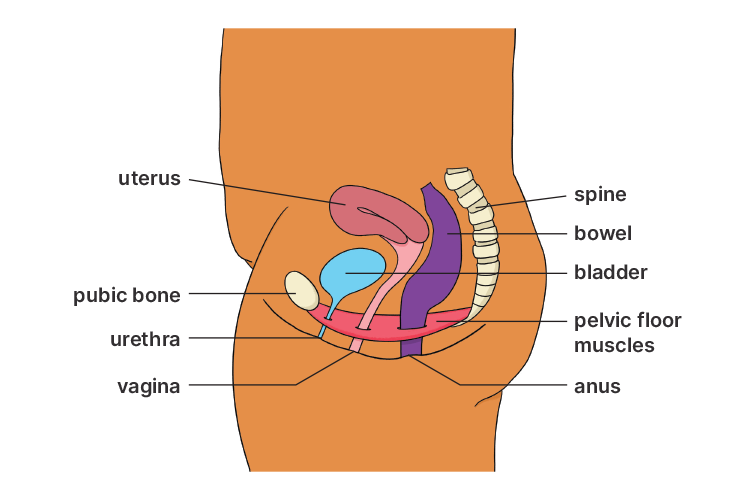
If these muscles are weak, it can cause problems such as incontinence and prolapse. When pelvic floor muscles are overactive, they can switch on involuntarily when they should be relaxing. This can make it hard to have sex.
Problems with your pelvic floor can lead to:
- painful vaginal sex
- reduced sex drive and arousal
- less frequent or intense orgasms.
- A pelvic floor physiotherapist can help with pelvic floor issues.
Your partner’s health
Your partner’s health can affect your sex life. For example, fatigue, health conditions or problems with getting and keeping an erection (erectile dysfunction). They can ask their doctor about treatment options, which may include medicine or psychological support.
Emotional wellbeing and sex
Sex is not just a physical experience, it’s an emotional one too. When you feel down, it can be hard to get in the mood for sex.
Many things can affect your emotional state and sex drive, such as:
- anxiety and depression
- stress
- low self-esteem
- poor body image
- negative ideas about sex
- bad experiences, including sexual abuse and trauma.
It’s important to pay attention to your feelings and find ways to deal with them. You can try talking to people you trust or a counsellor. If you often feel low and uninterested in sex and other pleasurable activities, you can talk to your doctor.
How drugs and alcohol can affect sex drive
Alcohol and some drugs can help people to relax and reduce anxiety. But they may have a negative effect on sex drive and arousal. If taken in excess they can cause arousal problems.
If you need help to reduce drug and alcohol consumption, see your doctor.
Medicines that affect sex drive
Many medicines can affect your sex drive. For example:
- steroids
- antidepressants
- the Pill
- menopausal hormone therapy (MHT)
- progesterone therapy.
If you’re worried that your medicine may be reducing your sex drive, see your doctor.
Getting help
If you are worried about your sex drive, see your doctor. They will check if any physical conditions or medicines might be causing the problem. They may also refer you to a counsellor, psychologist, sexologist or relationship therapist.
After menopause, if you have low libido and you’re concerned about it, testosterone therapy may help.
More information and resources
There are lots of great resources about sex drive and how to enjoy your sex life. For example:
- Good Loving Great Sex by Dr Rosie King, Penguin, 1998
- Where Did My Libido Go? by Dr Rosie King, Penguin, 2010
- She Comes First by Ian Kerner, William Morrow & Company, 2010
- Becoming Orgasmic by Julia R. Heiman, Joseph LoPiccolo, Leslie Lo Piccolo, Atria Books, 2005
- Come as you are by Emily Nagoski, Simon & Shuster, 2021
- OMG Yes, online resource, omgyes.com (fees apply)
Personal stories about sex and sexual health



-
Story
‘I wanted to have sex but it was physically impossible’: Life with severe vaginismus
Endometriosis • Vulval and vaginal conditions • What can affect your sex life? • 5 min
Review process
Our review process
This information has been reviewed by clinical experts and is based on the latest evidence.
Our content review process ensures our health information is accurate, trustworthy, current and useful.
We regularly check our information to make sure it reflects the latest clinical guidelines and key findings from large, reliable studies.
Where possible, we focus on Australian research to make our information more relevant locally.
Experts play a key role in reviewing our content. Clinicians at Jean Hailes check information for accuracy and real‑world relevance. These include GPs, gynaecologists, endocrinologists, psychologists and allied health professionals.
We also work with partner organisations, independent specialists and people with lived experience to make sure our content reflects both expert knowledge and the experiences of the community.