


Enjoying your sex life

Find out how to enhance sexual pleasure and confidence, understand your body, and explore tools like masturbation and sex toys.
Print / PDF

Your genitals and how they work

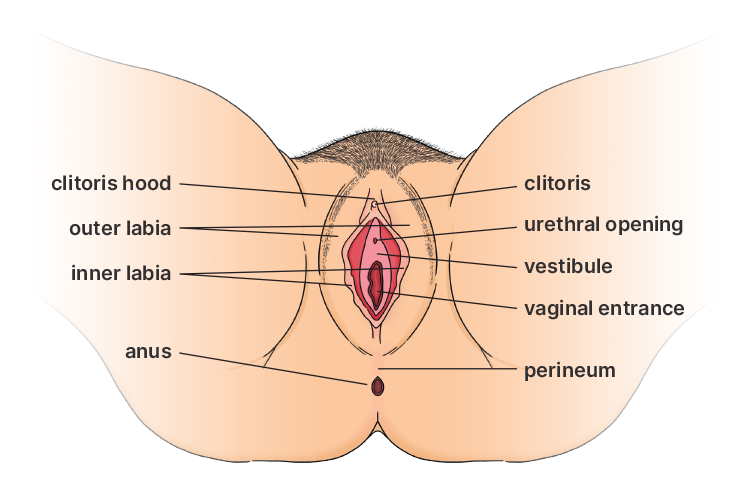
It’s important to understand your genitals and how they work. The picture below shows the visible parts of the vulva, including:

  • the area covered with pubic hair (mons pubis)
  • the outer lips, which are covered with pubic hair (labia majora)
  • the inner lips, which are not covered with pubic hair (labia minora)
  • the clitoris and its protective hood
  • the area around your vaginal and urinary openings (vestibule)
  • the urinary opening (where wee comes out)
  • the vaginal opening
  • the area of skin between your vagina and anus (perineum).

Some people think the vulva is the vagina, but they are different. Your vulva is the external part of the female genitals that you can see.

Your vagina is inside your body. It extends from your vulva to the start of your uterus. It’s where your period blood comes out, where you can have sexual penetration and where babies pass through during childbirth.

It’s a good idea to see what your vulva looks like. You can use a mirror to see what is normal for you. And remember, every vulva is unique.

Check out the Labia Library online resource to see realistic images of female genitals.

Read more about the vulva and vagina.

Sexual pleasure

Sexual pleasure is an important part of your sexual health and wellbeing.

There are lots of physical and emotional health benefits associated with sexual pleasure, including:

  • improved blood pressure and cardiovascular health for women
  • lowered stress
  • improved sleep.

Sexual pleasure is something you can enjoy by yourself (masturbation) or with other people.

You can enjoy sexual pleasure exploring some of your body’s pleasure centres.

Masturbation

You can touch parts of your body, like your vulva, clitoris or breasts, to get sexual pleasure. This is called masturbation.

Masturbation is normal for people of any age. It can help you learn what feels good for you and what helps you orgasm, so you can tell your partner. It’s also a way to get sexual pleasure if you don’t have a partner.

It’s normal to masturbate from a few times a day to a few times a month. It’s also okay if you don’t masturbate.

Sex toys

You can use sex toys to give yourself and others sexual pleasure. They can help you learn about your body and what satisfies you sexually. They can also make sex more fun!

Sex toys come in different shapes, sizes and colours. There’s something to meet everyone’s needs, including toys designed for people with disability. Different toys can be used to stimulate different parts of your body, like your vagina, clitoris or anus.

Many sex toys are made from silicone, which is non-toxic, soft, flexible and unlikely to cause allergic reactions. Buy sex toys from reputable suppliers to ensure they’re safe.

When using sex toys:

  • always use water-based lubricants
  • avoid flavoured or scented lubricants
  • remove any batteries and wash the toy in warm, soapy water before sharing it (to prevent STIs)
  • change the condom on the toy if sharing with partners.

Get help from a professional

There are lots of ways to engage in sexual intimacy and pleasure. If you’re not satisfied with your sex life, or you find it hard to experience sexual pleasure, a sex therapist or sexologist can help.

Where to get help

If you have experienced sexual assault, sexual violence, or feel unsafe in your relationship, you can get help.

If you’re in immediate danger, call 000 and ask for the police. It’s your choice if you want to make a police report.

For specialist support, you can visit 1800RESPECT or call 1800 737 732.

You can also find a national sexual assault services directory on the National Association of Services Against Sexual Violence website.

It’s important to get medical help as soon as possible after an assault. You can do this at a hospital or health care centre.

Health information in your language