- What is sex?
- Exploring different types of sex
- Why do we have sex?
- Sex terms explained
- What is sexuality?
- What can influence your ideas about sex?
- More information and support
- Healthy relationships
- Enjoying your sex life
- What can affect your sex life?
- Safer sex and sexually transmitted infections (STIs)
- Contraception
- Painful sex (dyspareunia)
- Abortion
-
Reviewed
For the most up to date information on this topic, please visit jeanhailes.org.au
Key takeaways
- Sex is a natural and important part of life.
- Sexuality is about your sexual feelings and attractions – it’s different for everyone.
- Many things can influence your ideas about sex, from your upbringing and education to what you see in the media.
- You have the right to enjoy healthy and safe sexual relationships.
Sections on this page
- What is sex?
- Exploring different types of sex
- Why do we have sex?
- Sex terms explained
- What is sexuality?
- What can influence your ideas about sex?
- More information and support
- Healthy relationships
- Enjoying your sex life
- What can affect your sex life?
- Safer sex and sexually transmitted infections (STIs)
- Contraception
- Painful sex (dyspareunia)
- Abortion
Key takeaways
- Sex is a natural and important part of life.
- Sexuality is about your sexual feelings and attractions – it’s different for everyone.
- Many things can influence your ideas about sex, from your upbringing and education to what you see in the media.
- You have the right to enjoy healthy and safe sexual relationships.
What is sex?
Sex is any activity that one or more people do to feel sexually excited. Sex is broader than sexual intercourse (penetrative sex). It can involve touching, kissing or even talking.
Sex should be enjoyable for everyone involved. And everyone should agree or consent to the sexual activity.
Exploring different types of sex
There are many different types of sex. Some of the more common types include:
- vaginal sex
- oral sex (mouth to genital sex)
- anal sex
- touching
- masturbation
- phone and video sex.
Why do we have sex?
Sex is a natural and important part of life. It’s how we reproduce. But most people have sex because it feels good, especially if it’s with someone they like and care about.
Many things can affect your experience of sex. For example:
- how comfortable you feel with your partner
- how well you and your partner communicate with each another
- how happy, relaxed and safe you feel
- how you feel about your body
- your cultural and religious beliefs.
It can take time to figure out what you like during sex. That’s okay! The path to sexual pleasure is different for everyone. Learn more about how to have an enjoyable sex life.
Sex terms explained
There are many terms used to describe sex in all its forms. Below are some of the more commonly used terms.
Foreplay includes all the things you do by yourself or with your partner to get aroused before sex. It can include kissing, touching, massaging, licking and sucking. You can explore different things that make you and your partner feel good.
Masturbation is when you touch yourself for sexual pleasure. This is a healthy and normal thing to do, whether you’re sexually active with other people or not.
Your sex drive is your desire to be sexual with others or by yourself. It’s normal for your sex drive to go up and down at different times in your life.
Arousal is your physical response to sex or sexual thoughts. When you feel aroused, more blood flows to the genitals, causing the labia, clitoris and upper vagina to swell.
Sexual arousal increases vaginal lubrication to help your body get ready for sex. Your vagina also expands and your heart rate and blood pressure rise.
Orgasm (climax) is when you reach the peak of sexual excitement. It’s also known as ‘coming’. When this happens, your body releases all the tension and excitement that has been building up.
Your heart may race and your breathing can become heavier and quicker. The muscles in your body, including your vagina, might spasm. You may feel contraction-like pulses in your abdominal area. This may be a little uncomfortable.
You might also feel intense pleasure around your genitals. Some people have increased clitoral sensitivity after an orgasm.
During orgasm, lots of feel-good chemicals (endorphins) are released. This might make you feel warm, happy and sleepy afterwards.
Males usually ejaculate (eject) fluid called semen when they orgasm. But females can also ejaculate fluid, which helps with lubrication.
You can orgasm with partners or by yourself through masturbation.
Orgasms are good for you. The hormones involved can improve your blood pressure and mood.
Not everyone has an orgasm each time they have sex. Some may experience very subtle orgasms or find it hard to orgasm (anorgasmia) but they can still enjoy the intimate experience.
What is sexuality?
Sexuality is an important part of being human, and it’s different for everyone. It includes sexual feelings and attractions, thoughts, preferences and behaviours.
Sexuality is influenced by many things. For example, your:
- physical and emotional health
- life experiences
- cultural background
- religious beliefs.
It’s normal to have sexual thoughts or daydreams at different times.
Your sexuality is an important part of who you are. It can be an exciting experience to discover and start exploring your sexuality.
Before we explore sexuality in more detail, it’s important to understand the difference between sex and gender.
Sex refers to the female or male genitals you are born with. These physical differences are due to genes that cause the body to develop in a certain way.
The sex you are assigned at birth is also known as presumed sex.
Gender means characteristics, behaviours and roles that societies understand to be female or male.
Your gender identity is how you feel about your gender. Your sex and gender identity do not have to be the same. For example, a person may be presumed female at birth but identify as a boy or man.
Gender identity is different for everyone. Some people think of their gender as female, male or both female and male.
Others choose not to define their gender.
Gender identity can also change. This is called being gender-fluid.
Sexual orientation is who you are attracted to. You may be attracted to the opposite sex or gender (heterosexual). Or you may be part of the LGBTQIA+ community, which includes people with diverse sexualities, genders and sex characteristics (physical features relating to sex).
Some people know their sexual orientation from the get-go. Others take time to figure it out. When you start to discover your sexuality, you don’t have to choose a ‘label’. The only thing that matters is that you are comfortable with your own sexuality.
LGBTQIA+ is an acronym that stands for:
Lesbian
A lesbian is generally a woman who is attracted to other women.
Gay
A gay (homosexual) person is attracted to people of the same gender as themselves.
Bisexual
A bisexual person is attracted to people of their own gender and other genders.
Transgender
Transgender means a person’s gender doesn’t align with their presumed sex at birth.
Queer
The term ‘queer’ may be used to describe diverse genders and sexualities.
Questioning
Questioning means a person is still questioning or deciding their gender or sexuality.
Intersex
Some people are born with genitals that are not defined as exclusively male or female. This is called intersex.
Asexual
An asexual person has little or no sexual attraction to others.
Plus (+)
Plus refers to people with diverse sexual identities who don’t identify with the above terms but consider themselves to be part of the LGBTQIA community.
Learn more about sex and gender on the following websites:
A healthy sexuality is important for your overall health and wellbeing. It’s also a human right. You have the right to:
- enjoy healthy and safe sexual relationships
- access inclusive and safe health care services
- access clear information about sex and sexuality
- be safe from coercion and violence
- be respected and free from discrimination
- choose if or when you want children
- be free of diseases and other conditions that interfere with your ability to experience pleasure sexually.
There are many ways to have a healthy sexuality throughout your life. For example, you can:
- learn about your body and what feels good
- be open and honest about what you want in your sexual relationships, including your desires
- choose partners who respect you and care about your health
- understand your rights and responsibilities in sexual relationships
- decide what type of contraception is right for you
- take care of your sexual health (e.g. have regular sexual health checks)
- get help for any sexual problems.
What can influence your ideas about sex?
There are many things that can influence your ideas about sex.
Pornography (porn) is material that is used for sexual arousal. It includes videos, films, photographs, drawings and writing. Porn is easy to find on the internet, in movies and in magazines.
It can include nudity, different types of sexual activity and even sexual violence.
Research shows that porn can negatively impact your sexuality. It’s often the main source of sex education for young people and this can lead to unrealistic expectations about sex. This can result in bad sexual experiences and may even cause anxiety and fear about sex.
Porn can normalise unsafe vaginal and anal sex. Sometimes porn includes sexual violence, which may have an influence on violence against women.
Many people enjoy watching porn alone or with others and that’s okay. But it’s important to understand that porn is staged sex and it doesn’t usually reflect real life.
The media can also influence your sexuality and self-image. Sex is often shown in unrealistic ways on TV, in magazines, on social media, in movies and in ads.
Women are often portrayed in a sexualised way. And the media rarely reflects the diversity in our community. For example, different:
- cultures
- ages
- genders
- sexualities
- abilities
- body shapes.
TV and movies make sex seem effortless and perfect. These unrealistic scenes can make your real-life sexual experiences seem disappointing. In real life, it’s normal for sex to be awkward, messy and even funny.
It’s easy to compare your own sex life to what you see in the media. But the media doesn’t usually show the pressures and reality of everyday life and how that can affect your sexual experiences.
It helps to put things into perspective. Remember, much of what you see in the media is about selling products and services. It’s not real.
When women feel positive about their body and genitals (reproductive organs), it can have a positive impact on their sexuality. Female genitals vary in size, shape, length and colour. But images seen online are often heavily edited to make the vulva look symmetrical and, in some cases, childlike. This can cause some women to think they have abnormal genitals.
But guess what? Your genitals are perfectly fine exactly as they are. Check out the Labia Library online resource to see realistic images of female genitals and remind yourself that everyone is different.
Schools across Australia teach sex education. But the information may not be inclusive or relevant for some young people, for example, people with disabilities or people who identify as LGBTQIA+.
Research suggests that when young people are taught a range of sexual health topics across different grades and subject areas, it may lead to improved sexual, social, health and academic outcomes.
The way your family spoke (or didn’t speak) about sex can shape your ideas. Early experiences and experimentation can also affect how you think about sex.
More information and support
You can get more information about sexuality and sexual health from your doctor or a counsellor. You can also visit these websites:
Healthy relationships
A healthy relationship is built on respect, trust, safety and open communication, including mutual consent in sexual relationships. This page explains what healthy and unhealthy relationships look like, the importance of consent, and where to get help if you feel unsafe or need support.

Enjoying your sex life
Sexual pleasure is an important part of overall physical and mental wellbeing and can be explored alone or with others. This page explains how your body works, different ways to experience pleasure, and when to seek professional support if you’re finding it hard to enjoy sex.

What can affect your sex life?
Sex drive and sexual satisfaction can change throughout life and are influenced by factors such as health, relationships, life stage and emotional wellbeing. This page explores common issues that affect sex and libido, practical ways to improve sexual wellbeing, and when to seek professional support.

Safer sex and sexually transmitted infections (STIs)
Safer sex is about more than preventing infections or pregnancy – it also involves communication, consent and mutual respect. This page explains how to reduce the risk of STIs, the role of condoms and health checks, and what to do if you or a partner have an STI.

Contraception
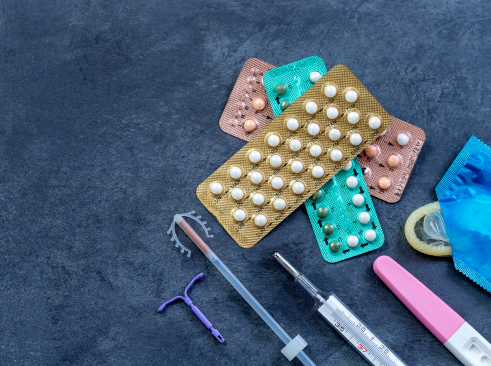
Contraception includes different methods to prevent pregnancy, such as long-acting reversible contraception (LARC), hormonal options, and barrier methods. This page explains how each method works, how effective they are, and how to choose the option that best suits your health, lifestyle and stage of life.
Painful sex (dyspareunia)
Painful sex (dyspareunia) is pain felt before, during or after sexual activity and is common, but not normal. This page explains the symptoms, possible physical and emotional causes, and treatment options to help improve comfort and sexual wellbeing.
Abortion
Abortion is a safe and legal medical procedure in Australia that ends a pregnancy using medicine or surgery. This page explains the different types of abortion, your legal rights, what to expect, and where to find support and services to help you make an informed choice.
Personal stories about sex and sexual health



-
Story
‘I wanted to have sex but it was physically impossible’: Life with severe vaginismus
Endometriosis • Vulval and vaginal conditions • What can affect your sex life? • 5 min
Review process
Our review process
This information has been reviewed by clinical experts and is based on the latest evidence.
Our content review process ensures our health information is accurate, trustworthy, current and useful.
We regularly check our information to make sure it reflects the latest clinical guidelines and key findings from large, reliable studies.
Where possible, we focus on Australian research to make our information more relevant locally.
Experts play a key role in reviewing our content. Clinicians at Jean Hailes check information for accuracy and real‑world relevance. These include GPs, gynaecologists, endocrinologists, psychologists and allied health professionals.
We also work with partner organisations, independent specialists and people with lived experience to make sure our content reflects both expert knowledge and the experiences of the community.