
Review process
Our review process
This information has been reviewed by clinical experts and is based on the latest evidence.
Our content review process ensures our health information is accurate, trustworthy, current and useful.
We regularly check our information to make sure it reflects the latest clinical guidelines and key findings from large, reliable studies.
Where possible, we focus on Australian research to make our information more relevant locally.
Experts play a key role in reviewing our content. Clinicians at Jean Hailes check information for accuracy and real‑world relevance. These include GPs, gynaecologists, endocrinologists, psychologists and allied health professionals.
We also work with partner organisations, independent specialists and people with lived experience to make sure our content reflects both expert knowledge and the experiences of the community.
Reviewed by

Dr Karina Severin
– Specialist women’s health GP at Jean Hailes ClinicsDr Severin played a key role reviewing this health information to ensure it is accurate, trustworthy, current and useful.
At Jean Hailes, we regularly check our information to make sure it reflects the latest clinical guidelines and key findings from large, reliable studies.
Where possible, we focus on Australian research to make our information more relevant locally.
We actively listen to women and engage with them throughout the content development process, ensuring their voices help shape the information we produce.
We also work with partner organisations, independent specialists and people with lived experience to make sure our content reflects both expert knowledge and the experiences of the community.
You might want to know more about


Topic
Menopause
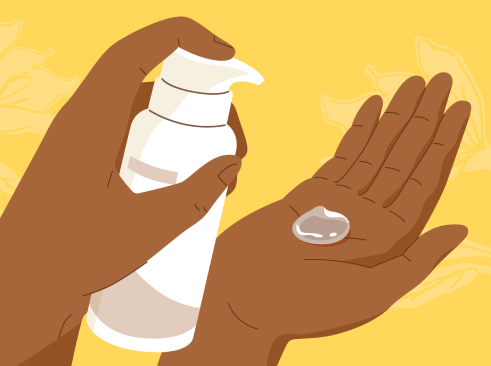
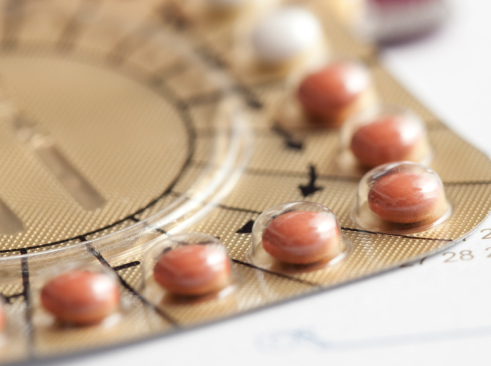
How to manage menopausal symptoms • How to use gel – menopausal hormone therapy • How to use patches – menopausal hormone therapy • How to use vaginal estrogen cream – menopausal hormone therapy • How to use vaginal pessaries – menopausal hormone therapy • Looking after yourself around the time of menopause • Medically induced menopause • Menopausal symptom treatments • Menopause information for partners • Premature and early menopause