There are many ways to treat menopausal symptoms, depending on your own unique experience. You might need to try different options before finding one that works for you.
If menopausal symptoms are interrupting your daily activities or your quality of life, take action.
Menopausal hormone therapy (MHT) is the most effective treatment for hot flushes, night sweats and vaginal dryness.
Other medicines that do not contain hormones can reduce hot flushes and nights sweats, and might help some other common symptoms.
Some products from the pharmacy can help with mild symptoms.
Talk to your doctor about the benefits and risks of each treatment before making a decision.
What are the treatments for menopausal symptoms?
See your doctor if you have menopausal symptoms that are interrupting your daily activities or your quality of life.
There are different menopausal symptom treatments, including:
medicines that contain hormones, which is called menopausal hormone therapy or MHT (and used to be called hormone replacement therapy or HRT)
medicines that do not contain hormones, which are called non-hormonal medicines
a talk therapy approach that helps you manage the impact of menopausal symptoms, which is called cognitive behavioural therapy (CBT)
non-medical therapies you can get from the pharmacy, which are called natural or complementary therapies.
The treatment your doctor recommends will depend on your family history, your own medical history and the types of symptoms that bother you most. Your doctor will consider your individual situation and explain different treatment options, so you can make an informed decision.
You might need to try different treatments before finding one that works for you.
Taking care of your health by improving diet and exercise, stopping smoking, and reducing stress and alcohol are all important, whether you use a menopausal symptom treatment or not.
Menopausal hormone therapy (MHT)
Menopausal hormone therapy (MHT) is the most effective medicine for reducing hot flushes, night sweats and vaginal dryness. For some women, it might also improve other common menopausal symptoms.
Like all medicines, MHT has risks and benefits that depend on your own personal health, your medical history, your family’s medical history and your symptoms.
When using MHT, your doctor will probably suggest you:
‘start low’ – start with a low dose
‘go slow’ – take some time to let the medicine work before increasing the dose
‘review often’ – review your dose with your doctor once each year.
If you have premature or early menopause, your doctor might prescribe a higher dose of MHT until about the age of 51.
The main hormones that change as you approach menopause are estrogen and progesterone. During perimenopause, the amounts of estrogen and progesterone made by the ovaries swing up and down, causing menopausal symptoms. After menopause, very little estrogen or progesterone is produced by the ovaries.
MHT reduces menopausal symptoms by adding back some of the hormones that used to be produced inside your body before menopause.
Estrogen is the main hormone given to relieve menopausal symptoms. If you’ve had surgery to remove your uterus (a hysterectomy), this might be the only form of MHT you need.
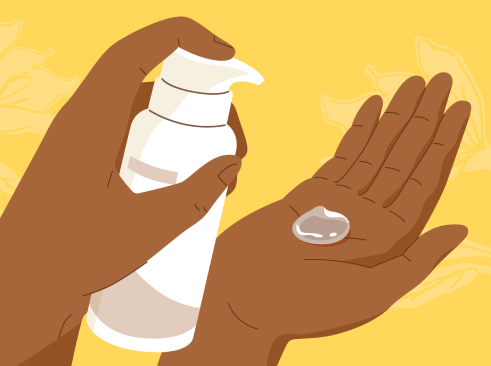
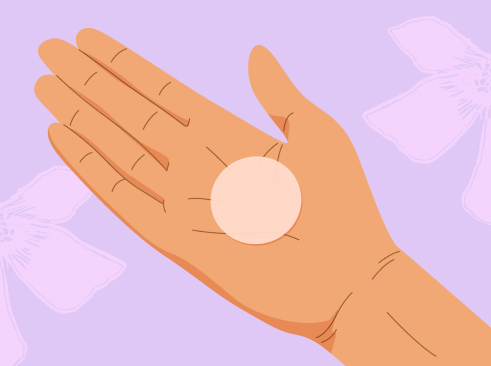
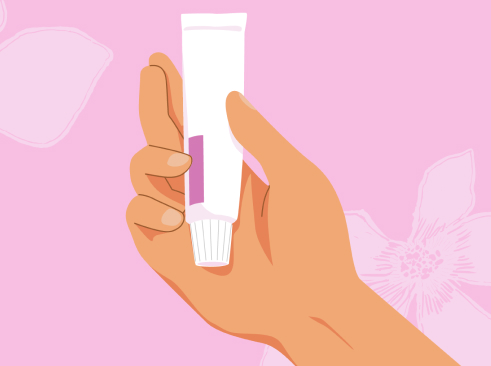
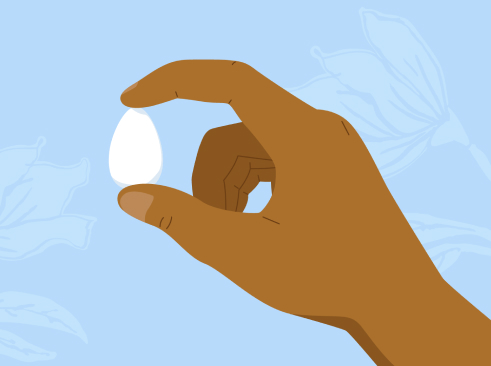
MHT comes in different forms and dosages. The type of MHT you take and the dosage will depend upon your symptoms, other health conditions, and preferences.
You may need to try different dosages or methods to find what works best for you. Your doctor can help you manage this process.
Before deciding what type of MHT to take, it’s important to discuss your medical history with your doctor, as not all forms of MHT are suitable for everyone.
You should also tell your doctor about any other medicines you are taking, including vitamins and supplements, as some of these may interfere with MHT.
When you take MHT, it’s also important to follow the directions carefully so it will work correctly.
You should also tell your doctor about any side effects you notice while taking MHT.
MHT that includes estrogen and progesterone is called combined MHT. Combined MHT can be continuous or cyclical.
Continuous MHT
Continuous MHT is usually prescribed when it’s been more than 12 months since your last period. This involves taking estrogen and progestogen each day.
Cyclical MHT
Cyclical MHT is usually prescribed if you have menopausal symptoms, and it’s within 12 months of your last period.
Cyclical MHT involves taking estrogen every day and adding progestogen for 10 to 14 days each month. Cyclical MHT mimics a normal menstrual cycle, so you may have a withdrawal bleed, like a period, every month.
For healthy women within 10 years of reaching menopause, the benefits of taking MHT usually outweigh the risks.
For most women, MHT relieves these common menopausal symptoms:
hot flushes
night sweats
vaginal dryness
sleep problems.
Reducing hot flushes and night sweats probably also improves other symptoms, like sleep problems, tiredness, depression, anxiety, mood and brain fog.
Some women also report that MHT helps their skin and hair health improve and their aches and pains go away.
For some women, MHT might reduce the risk of developing:
osteoporosis
bone fracture
diabetes
heart disease.
Like all medicines, MHT has risks and benefits that depend on your personal health, your medical history, your family’s medical history and your symptoms.
There are some risks associated with MHT, which include a slightly higher risk of developing:
breast cancer
heart disease.
Whether these risks apply to you or not will depend on:
the types of hormones used
the dose given
how long the medicine is used for
how the medicine is given (e.g. patches or tablets)
when medicine is started
your own medical history
your family’s medical history.
You should have a careful discussion with your doctor about whether the possible risks outweigh the benefits of using MHT if:
you’re older than 60
you have been postmenopausal for 10 years or more
you have had cancer or a blood clot or stroke
you have a family history of cancer or blood clots or stroke
you have had vaginal bleeding after menopause
you have heart disease
you suffer from a kidney or liver disease
you suffer from migraine with aura.
Your doctor may advise you not to use MHT if your personal risk is higher than the potential benefit you might get from using hormonal therapies to manage your menopausal symptoms.
Everyone responds differently to MHT. Some women may not experience any side effects, while others may have:
nausea
fluid retention
headache
bloating
breast enlargement and discomfort
vaginal bleeding
weight gain.
Most side effects settle within the first few months with ongoing treatment.
Many women who start MHT will have new vaginal bleeding, like ‘re-starting’ your menstrual periods. This bleeding usually stops after a couple of months. If you have vaginal bleeding more than 6 months after starting MHT, or vaginal bleeding that becomes heavier or goes for longer than a period, you should go back to see your doctor.
You can take MHT at low doses for as long as you need to manage menopausal symptoms that bother you. Most women have symptoms for about 4 to 7 years after menopause (their final menstrual period). One in 3 women have symptoms into their 60s and 70s.
It’s important to store MHT correctly to make sure it works properly and to keep others safe. For example, keep it:
in the original packaging and only open when you’re ready to use it
in a cool dry place
away from moisture, heat or sunlight
at temperatures below 30⁰C
where children and pets can’t reach it.
Some doctors prescribe bioidentical hormones. These are mixtures of different hormones made up in compounding pharmacies. These hormones are available as:
capsules
creams
gels
drops
lozenges.
Bioidentical hormones are often promoted as ‘natural’ or ‘tailored’, but these are advertising terms.
Hormones compounded in a pharmacy have:
few to no checks on safety and quality
little to no good research into their safety and effectiveness.
The MHT prescribed by doctors in Australia have been thoroughly tested for safety and effectiveness.
Some people might not be able to use menopausal hormone therapy (MHT). For example, if they’ve had a hormone-positive breast cancer.
Some people might not want to take MHT and prefer different treatment options, like non-hormonal medicines.
You will need a prescription from a doctor for these medicines and will get them from a pharmacy. Your doctor and pharmacist will probably use different brand names for each of these medicines.
One type of treatment that does not require a doctor’s prescription is lubricant for vaginal dryness.
Some antidepressants have been shown to reduce hot flushes and night sweats, and also help with mood, anxiety and depression. These medicines include:
venlafaxine or desvenlafaxine
paroxetine
citalopram or escitalopram
fluoxetine.
These medicines can have side effects, including:
nausea
dry mouth
dizziness
sleep problems
sexual problems.
Gabapentin is a medicine that prevents seizures and relieves pain for some conditions of the nervous system. It has also been shown to reduce hot flushes and night sweats.
This medicine should be taken at night as it might have side effects, including:
dizziness
sleepiness.
Fezolinetant and elinzanetant are medicines that reduce hot flushes and night sweats.
These medicines might be recommended by your doctor if you have had a hormone-positive cancer.
Talking therapies for menopause
Cognitive behavioural therapy (CBT) is a talking therapy that focuses on the connection between thoughts, feelings and behaviours. It helps identify and change negative thought patterns that can make menopausal symptoms worse, and helps build coping and practical skills.
CBT can help some women manage menopausal symptoms, including:
hot flushes and night sweats
sleep problems
low mood and depression
anxiety and stress.
You will need to find a qualified specialist to provide CBT for menopause.
Counselling from a psychologist can also help some women build coping and practical skills to manage menopausal symptoms. Counselling might help with:
sleep problems
low mood and depression
anxiety and stress.
Natural therapies for menopause
Many women use natural therapies to help manage menopausal symptoms and improve their overall quality of life. But more research is needed to better understand their effectiveness.
Herbal and plant-based remedies
In general, there isn’t enough evidence to suggest that supplements and herbal or plant-based remedies help improve menopausal symptoms.
For example, there’s inconsistent evidence about the effectiveness of:
isoflavons (a type of phytoestrogen, or plant-based estrogen, found in soybeans and other legumes)
black cohosh (a herb that’s used to relieve symptoms such as hot flushes).
But current guidelines state that women can consider using natural therapies to treat their symptoms.
It’s important to talk to your doctor before using natural therapies, as they can affect other medicines you may be taking.
Other holistic therapies
Some women prefer a holistic approach to treating menopausal symptoms. For example:
yoga
exercise
relaxation or mindfulness techniques
acupuncture.
While there’s not enough evidence to suggest these approaches improve menopausal symptoms, they may help with sleep and general wellbeing.
This information has been reviewed by clinical experts and is based on the latest evidence.
Our content review process ensures our health information is accurate, trustworthy, current and useful.
We regularly check our information to make sure it reflects the latest clinical guidelines and key findings from large, reliable studies.
Where possible, we focus on Australian research to make our information more relevant locally.
Experts play a key role in reviewing our content. Clinicians at Jean Hailes check information for accuracy and real‑world relevance. These include GPs, gynaecologists, endocrinologists, psychologists and allied health professionals.
We also work with partner organisations, independent specialists and people with lived experience to make sure our content reflects both expert knowledge and the experiences of the community.
How to manage menopausal symptoms • How to use gel – menopausal hormone therapy • How to use patches – menopausal hormone therapy • How to use vaginal estrogen cream – menopausal hormone therapy • How to use vaginal pessaries – menopausal hormone therapy • Looking after yourself around the time of menopause • Medically induced menopause • Menopausal symptom treatments • Menopause information for partners • Premature and early menopause