-
Reviewed
Key takeaways
- Period products include tampons, pads, reusable pads, period underwear, menstrual cups and menstrual discs.
- Always follow instructions and practise good hygiene when using period products.
- Put tampons and pads in a rubbish bin or sanitary bin – don’t flush them down the toilet.
Sections on this page
Key takeaways
- Period products include tampons, pads, reusable pads, period underwear, menstrual cups and menstrual discs.
- Always follow instructions and practise good hygiene when using period products.
- Put tampons and pads in a rubbish bin or sanitary bin – don’t flush them down the toilet.
Different types of period products
There are many different types of periods products to choose from.
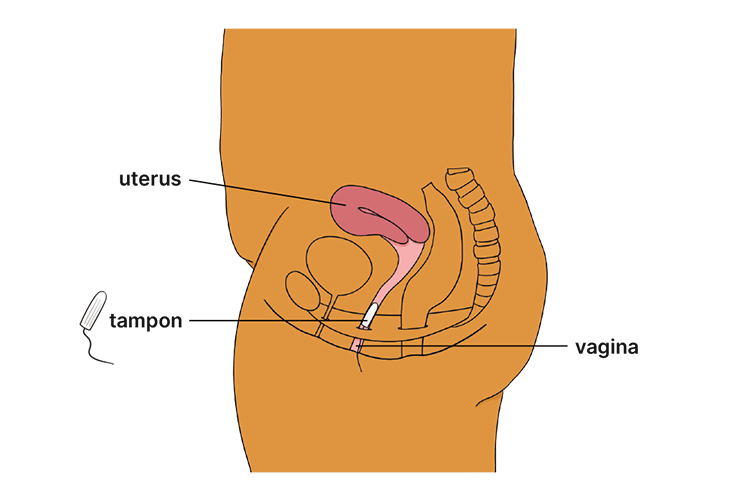
Tampons are absorbent ‘plugs’ that you insert in your vagina to absorb your period blood. They come in different sizes and are made of cotton or a combination of cotton and a synthetic material.
Some people worry about the risk of toxic shock syndrome (TSS) when using tampons. TSS is a rare but very serious bacterial infection. You can reduce the risk of developing TSS by using tampons safely.
Symptoms of TSS include:
- feeling unwell, like you have the flu
- headache
- muscle pain
- fever
- chills
- vomiting
- diarrhoea
- a rash.
If you use tampons and have these symptoms during or after your period, get medical help straight away.
How to use tampons safely
It’s very rare to get toxic shock syndrome from using tampons, but to be safe:
- always wash your hands before and after using a tampon
- use a clean, new tampon every time
- choose a tampon that suits your period flow (e.g. a light tampon for light flow and super tampon for heavy flow)
- change your tampon every 4 to 6 hours, or more often if needed
- never leave a tampon in for longer than 8 hours
- speak to your doctor about using tampons if you’ve recently had a baby, miscarriage, abortion or reproductive health procedure.
You can put used tampons in a rubbish bin or sanitary bin. Don’t flush them down the toilet.

Pads are made of absorbent material and come in a range of thicknesses and shapes. Pads have a sticky side, and some have ‘wings’ to hold them in place in your underwear.
Pads are sometimes made from a combination of synthetic and natural materials, and they may be scented. If pads irritate your vulva, try 100% cotton, scent-free pads.
Your pad might need to be changed every 3 to 4 hours on the heaviest day of your period. You can put used pads in a rubbish bin or a sanitary bin. Don’t flush them down the toilet.
Reusable pads are made of washable fabric and can be used instead of disposable period pads. They are usually made of absorbent fabric such as cotton or bamboo, with a waterproof lining.
Just like disposable pads, they come in different shapes and sizes. They don’t have a sticky side, but they do have ‘wings’ that can be fastened with clips or Velcro.
Reusable pads can be worn with your usual underwear. You can wash them by hand with soap and water or in the washing machine.
Period underwear has layers of fabric that can absorb your period. You can use period underwear alone or in combination with other menstrual products.
Period underwear comes in a range of thicknesses and styles.
It’s recommended you change your period underwear every 12 hours. You can wash and reuse this underwear.
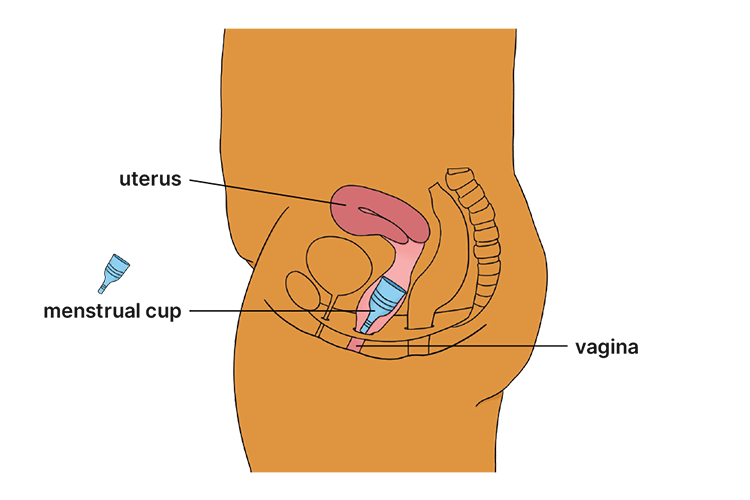
Menstrual cups can be inserted in your vagina to collect blood. They use suction to stay in place.
The cups are made from rubber or silicone. They’re reusable and more environmentally friendly than other products.
They come in different shapes and sizes to suit your body and your periods.
Menstrual cups should be washed in soapy water every 8 to 12 hours (depending on the brand), or when full. You should also wash your menstrual cup before inserting it, and boil it before and after each period.
There have been a very small number of cases of toxic shock syndrome in people who have used a menstrual cup. But more research is needed to understand the risks.
It’s recommended you read the instructions before you use a cup for the first time.

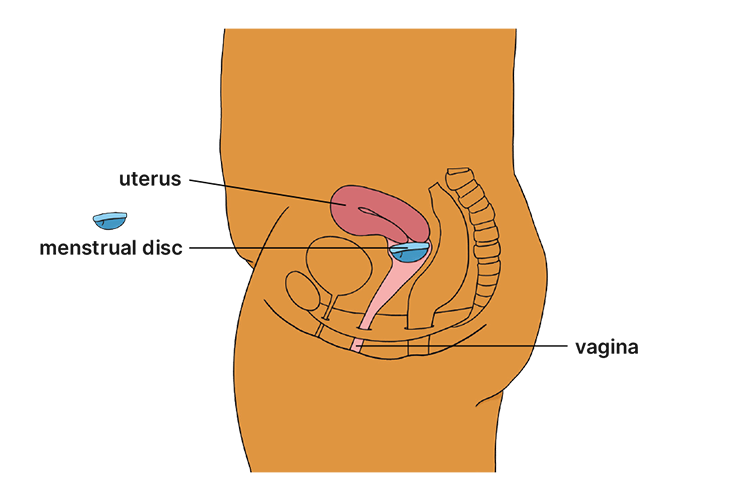
Menstrual discs can be inserted in your vagina to collect blood. The disc sits inside the widest part of your vagina, at the base of your cervix.
They are made from plastic, silicone or rubber. They come in different shapes and sizes and can be single-use or reusable.
Discs should be changed at least every 12 hours. You should wash your menstrual disc before inserting it and boil it before and after each period.
It’s recommended you read the instructions before you use a disc for the first time.

Choosing period products
There are many things to consider when choosing period products, including:
- comfort – you may find certain products more comfortable and easier to use than others
- cost – reusable products like menstrual cups and period underwear are more expensive up front, but they may save you money in the long term
- sustainability – reusable pads, period underwear, menstrual cups and menstrual discs can be reused many times
- absorption – some products can absorb or collect more blood than others, for example, menstrual discs and super-sized pads
- your activities – products like tampons and menstrual cups are safe and suitable for activities like swimming.
Our review process
This information has been reviewed by clinical experts and is based on the latest evidence.
Our content review process ensures our health information is accurate, trustworthy, current and useful.
We regularly check our information to make sure it reflects the latest clinical guidelines and key findings from large, reliable studies.
Where possible, we focus on Australian research to make our information more relevant locally.
Experts play a key role in reviewing our content. Clinicians at Jean Hailes check information for accuracy and real‑world relevance. These include GPs, gynaecologists, endocrinologists, psychologists and allied health professionals.
We also work with partner organisations, independent specialists and people with lived experience to make sure our content reflects both expert knowledge and the experiences of the community.

Health information in your language
You might want to know more about