Ovarian cancer

Learn about the main types of ovarian cancer, including the symptoms, causes, how it’s diagnosed and treatment options.
Print / PDF

What is ovarian cancer?

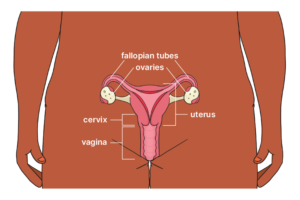
Ovarian cancer can form in one or both ovaries.

There are 3 main types of ovarian cancer:

  • epithelial – this cancer starts in the surface layer of the ovary.
  • germ cell – this cancer starts in the cells that produce eggs.
  • stromal cell – this cancer starts in the tissues that support the ovary.

Most ovarian cancers are epithelial. Germ cell and stromal cell cancers are not as common.

Some ovarian cancers are called borderline as they are slow growing, confined to the ovary and can be treated by surgery alone.

About 15% of ovarian tumours are borderline and these usually affect people aged 20 to 40.

Symptoms of ovarian cancer

Ovarian cancer is hard to detect in the early stages. It usually doesn’t cause symptoms until the cancer is quite large. Symptoms may include:

  • an enlarged belly or persistent abdominal bloating
  • belly or pelvic pain
  • feeling full after eating a small amount
  • needing to wee often or urgently
  • painful sex
  • changes in bowel habits
  • unexplained weight gain or loss
  • feeling very tired
  • lower back pain
  • indigestion or heartburn
  • nausea
  • unusual vaginal bleeding, including bleeding after menopause.

People can experience these symptoms at different times in their lives. This is why ovarian cancer might not be diagnosed until it is quite advanced.

Talk to your doctor if you are worried about any of these symptoms. They may not be due to cancer, but it’s important to check.

Causes of ovarian cancer

The exact cause of ovarian cancer is not known, but it may be associated with:

  • a family history of cancer
  • certain genetic conditions
  • other health factors.

How is ovarian cancer diagnosed?

If you experience any symptoms of ovarian cancer for more than 2 weeks, talk to your doctor.

They will ask questions about your:

  • symptoms
  • medical history
  • family health history.
  • You may also need to have blood and urine (wee) tests.

If your results suggest you may have ovarian cancer, your doctor will refer you to a gynaecological oncologist (a specialist in gynaecological cancers) straight away.

You may need more tests to diagnose ovarian cancer, for example:

  • an internal ultrasound (via the vagina) to look at your ovaries
  • a procedure to take a sample of cells from your fallopian tubes
    imaging tests.

Treatments for ovarian cancer

Treatment for ovarian cancer depends on the extent of the cancer. It may include:

  • surgery
  • chemotherapy
  • special therapies, drugs or chemicals used to target specific cancer cells
  • radiotherapy and immunotherapy, which are currently being used in clinical trials
  • palliative treatment.

Some cancer treatments, such as chemotherapy and radiotherapy, can cause menopause.

When to see your doctor about ovarian cancer

It’s important to see your doctor if you notice any symptoms of ovarian cancer. As with many cancers, early detection leads to the best treatment outcomes.

More resources on ovarian cancer

For more information about ovarian cancer, visit the:

If you would like to speak to a nurse for general information and support, call

Cancer Council on 13 11 20 (9 am to 5 pm, Monday to Friday).

Health information in your language