Fallopian tube cancer

Explore information about fallopian tube cancer, including the symptoms, causes and treatments.
Print / PDF

What is fallopian tube cancer?

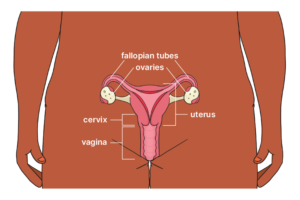
Fallopian tube cancer is a rare cancer affecting one or both fallopian tubes (the tubes that connect the ovaries to the uterus). This type of cancer is more common after menopause.

More than 95% of fallopian tube cancers grow in the cells that line the fallopian tubes. But sometimes the cancer can form in the smooth muscle of the fallopian tubes.

Symptoms of fallopian tube cancer

You might not have any symptoms of fallopian tube cancer, especially in the early stages. But symptoms can include:

  • swelling and pain in the belly
  • a feeling of pressure against the bowel or bladder
  • feeling like you can’t fully empty your bowel or bladder
  • unusual vaginal bleeding
  • watery or bloody discharge.

Talk to your doctor if you are worried about any of these symptoms. They may not be due to cancer, but it’s important to check.

Causes of fallopian tube cancer

The exact cause of fallopian tube cancer is not known, but it may be associated with:

  • a family history of cancer
  • certain genetic conditions
  • other health factors.

How is fallopian tube cancer diagnosed?

Most cases of fallopian tube cancer are hard to detect during a physical examination, unless the cancer is advanced and your doctor can feel it.

It can also be hard to differentiate between fallopian tube and ovarian cancers.

Fallopian tube cancer is sometimes detected during tests for other conditions.

If you notice symptoms, see your doctor. They will ask questions about your:

  • symptoms
  • medical history
  • family health history.

You may also need to have blood and urine (wee) tests.

If your results suggest you may have fallopian tube cancer, your doctor will refer you to a gynaecological oncologist (a specialist in gynaecological cancers) straight away.

You may need more tests to diagnose fallopian tube cancer. For example:

  • an internal ultrasound (via the vagina) to look at your fallopian tubes
  • a procedure to take a sample of cells from your fallopian tubes
  • imaging tests
  • an operation to look at your fallopian tubes and surrounding organs for signs of cancer and to remove cancer cells for testing.

Treatments for fallopian tube cancer

Treatment for fallopian cancer depends on the extent of the cancer. It may include:

  • surgery
  • radiotherapy
  • chemotherapy
  • hormonal therapy
  • palliative treatment.
  • Some cancer treatments, such as chemotherapy and radiotherapy, can cause menopause.

When to see your doctor about fallopian tube cancer

It’s important to see your doctor if you notice any symptoms of fallopian tube cancer. As with many cancers, early detection leads to the best treatment outcomes.

More resources on fallopian tube cancer

For more information about fallopian tube cancer, visit the:

If you would like to speak to a nurse for general information and support, call

Cancer Council on 13 11 20 (9 am to 5pm, Monday to Friday).

Health information in your language